

Onitsuka Tiger
Onitsuka Tiger is a Japanese brand founded in 1949, known for its high-quality athletic footwear and classic designs. The brand's name comes from founder Kihachiro Onitsuka and his passion for creating sports-inspired footwear. Onitsuka Tiger stands out for its blend of traditional Japanese elements with modern style.


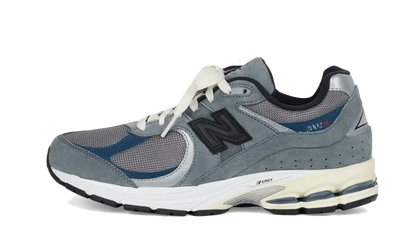

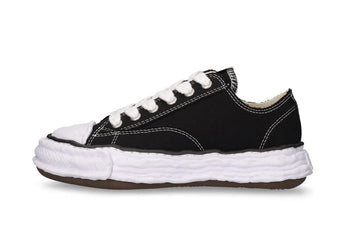


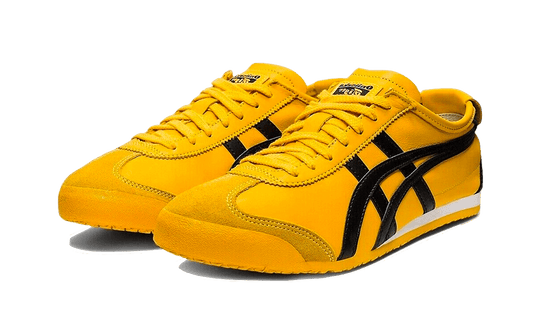

Onitsuka Tiger Mexico 66 Kill Bill (2022)
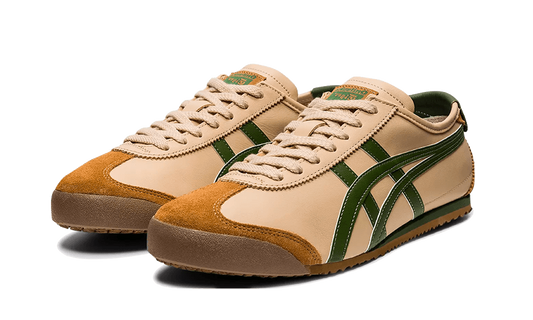
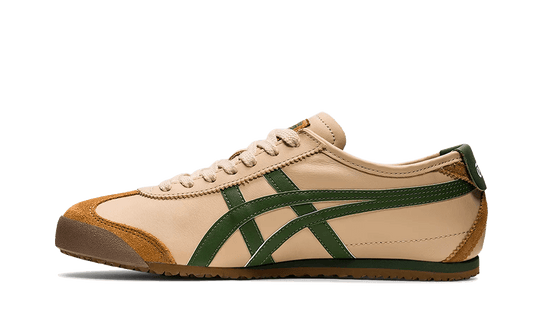
Onitsuka Tiger Mexico 66 Beige Grass Green
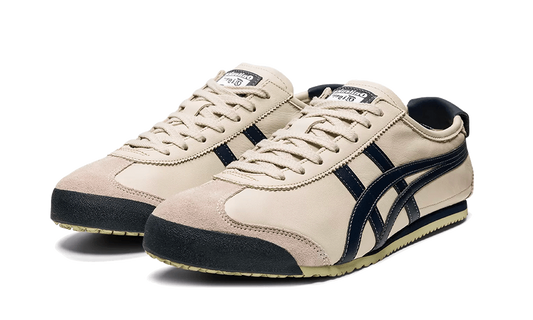
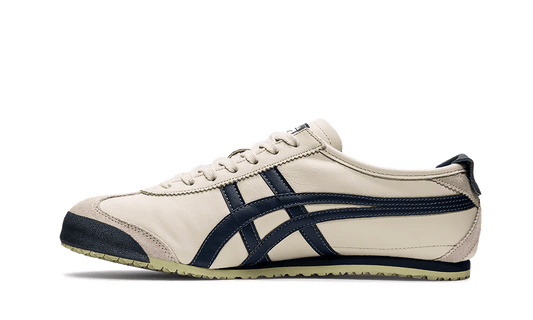
Onitsuka Tiger Mexico 66 Birch Peacoat
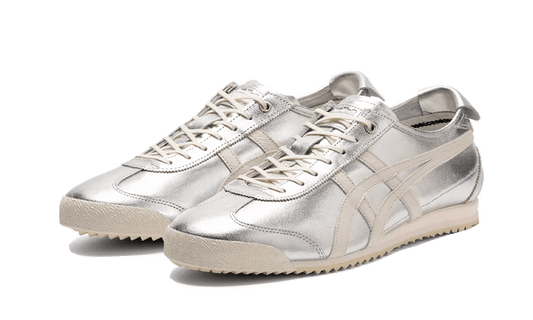
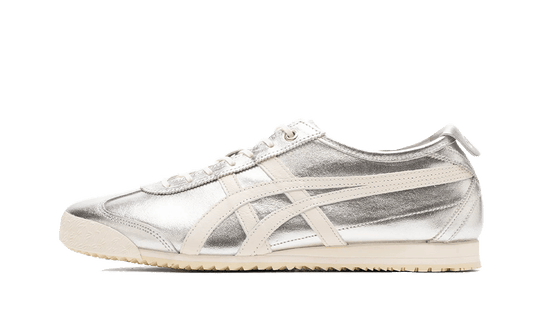
Onitsuka Tiger Mexico 66 Silver
The Heritage and History of Onitsuka Tiger
Onitsuka Tiger was founded in 1949 when Kihachiro Onitsuka founded Onitsuka Co., Ltd. in Japan. His vision was simple: strappy sandals inspired by traditional straw sandals. Yet from this humble beginning grew a brand that would transform sneaker culture worldwide. From the outset, the company tackled challenges related to real-world sporting problems. Performance was paramount.
In 1952, Onitsuka redesigned its basketball shoes . The innovation involved adding cups and small spaces in the soles to support quick starts and stops. Just a year later, the brand partnered with marathon runner Toru Terasawa to create a running shoe that prevented blisters. This 1953 milestone marked the birth of the Onitsuka Tiger running legacy. By 1955, the company had grown to approximately 500 sporting goods stores across Japan. The product range quickly expanded: soccer, martial arts, basketball, volleyball, wrestling, tennis, and much more.
International recognition arrived in 1957. Long-distance runners like Abebe Bikila embraced the brand. The 1959 Magic Runner, featuring improved ventilation, solidified Onitsuka Tiger's position as an innovator focused on comfort and blister reduction. These decades established the brand as a serious sports innovator, long before it transitioned into lifestyle fashion.
The brand's entry into the American market marked sneaker history. In the 1960s, Philip Knight, a former University of Oregon runner, began importing Onitsuka Tiger shoes . Working with his former coach, Bill Bowerman, Knight distributed the shoes through Blue Ribbon Sports. Their venture introduced American athletes to early marathon shoes and the models that evolved into the Cortez silhouette. Over time, tensions between Blue Ribbon Sports and Onitsuka led Knight and Bowerman to found Nike, Inc., marking a watershed moment in global sneaker culture.
A significant shift occurred in 1977. Onitsuka's various sports brands merged into ASICS Corporation. The Onitsuka Tiger name faded away as ASICS focused on high-performance running. However, in 2002, ASICS conducted a strategic relaunch. Instead of competing on performance, the brand repositioned Onitsuka Tiger as a premium lifestyle label. Legacy silhouettes like the Mexico 66 and Tiger Stripes became the primary focus. Japanese design and craftsmanship took center stage.
The 2002 relaunch proved transformative. The Nippon Made series was launched in 2008, emphasizing meticulous Japanese craftsmanship and hand-finished details. In 2009, the brand published Made of Japan, a history book celebrating its evolution and craftsmanship. These moves positioned Onitsuka Tiger in the ASICS Corporation portfolio as a design-driven alternative to technical performance lines.
Today, flagship stores anchor the brand's global presence. The Omotesando store in Tokyo showcases sneakers in a gallery-like setting. It showcases the Nippon Made series, heritage silhouettes, and contemporary collaborations with a modern Japanese aesthetic. In 2025, the brand expanded this vision to Europe with a flagship store on Avenue des Champs-Élysées in Paris. Both locations serve as cultural ambassadors, reinforcing Onitsuka Tiger's position as a premium lifestyle brand rooted in authentic athletic heritage and meticulous craftsmanship.
Design, materials and craftsmanship
The Onitsuka Tiger design language fuses its athletic performance roots with contemporary lifestyle fashion. The brand's visual identity is built around two key elements: the Tiger Stripes and the twin vertical stripe design . Introduced in the mid-1960s on the Mexico 66, the Tiger Stripes were designed to provide midfoot support while creating a bold lateral profile. Today, they represent one of the most recognizable graphic signatures in sneaker culture. The minimalist twin vertical stripe logo serves as a modern shorthand on shoes, packaging, and in retail spaces, reinforcing Onitsuka Tiger's status as a design-driven lifestyle brand within the ASICS corporation.
The material selection reflects a careful balance between authenticity and contemporary comfort. Leather, suede, and canvas are deliberately used throughout the collection. The Mexico 66 and Mexico 66 Line typically feature soft leather uppers with suede overlays, providing stability in high-wear areas while maintaining flexibility for everyday wear. Marathon-focused models, such as the TG-4 Marathon and TG-4 Marathons, incorporate lightweight construction inspired by earlier innovations like the ventilated Magic Runner, which pioneered blister reduction. Basketball silhouettes, including the Fabre and Fabre (Fast Break), utilize more durable leathers and reinforced panels to withstand lateral movement on the court. Some retro-inspired releases utilize canvas for a lighter, more casual aesthetic. Throughout all construction, the goal is to preserve the authentic look and feel of the original performance shoe while ensuring durability for regular lifestyle use—a key consideration in the vintage sneaker trend.
The Nippon Made series , introduced in 2008, represents the pinnacle of Onitsuka Tiger's commitment to craftsmanship. These boots are manufactured entirely in Japan with meticulous attention to pattern cutting, sewing, finishing, and finishing. Hand-finished details and traditional Japanese techniques create subtle differences and an artisanal quality that distinguish Nippon Made from standard production lines. Models such as the reinterpreted Mexico 66 utilize higher-grade leathers and elevate the entire wearing experience. This premium approach directly reinforces Onitsuka Tiger's positioning as a heritage-driven lifestyle offering, rather than a purely technical performance label. The publication of Made of Japan —a comprehensive history book—in 2009 further solidified this narrative, documenting the brand's evolution and celebrating the craftsmanship and cultural context embedded in each silhouette. Together, Nippon Made and Made of Japan articulate an authentic story of locality and quality that resonates deeply with collectors and design-conscious consumers worldwide.
Iconic silhouettes and collections
Onitsuka Tiger's modern reputation is built on a carefully curated range of silhouettes that seamlessly blend athletic performance with lifestyle fashion. These models represent distinct chapters of the brand's athletic heritage while remaining deeply connected to the current vintage sneaker trend. Each silhouette tells a story rooted in authentic athletic innovation, making them far more than nostalgic references—they are functional designs that have earned their place in culture through real-world performance achievements.
The Mexico 66 remains Onitsuka Tiger's most iconic model. Originally developed in anticipation of the 1968 Olympic Games in Mexico City, this runner introduced the world to the now-legendary Tiger Stripes. Its sleek profile and bold graphic elements made it instantly recognizable on the track and court. At the 1972 Munich Olympics, the Mexico 66 became a symbol of elite distance running, appearing in striking color palettes that contrasted the upper materials with the distinctive stripes. The Mexico 66 line extends this design language to numerous iterations, updating materials and colors while maintaining the timeless proportions of the original silhouette. Today, both models anchor the vintage sneaker trend, and collectors actively seek out archival color schemes from those Olympic eras.
The heritage of long-distance running flows through models like the TG-4 Marathon and TG-4 Marathons . These designs trace their roots directly to Onitsuka Tiger's 1953 collaboration with marathon runner Toru Terasawa, who needed a shoe to prevent chafing during long-distance runs. This lineage continued through partnerships with legendary athletes like Abebe Bikila, who wore Onitsuka Tiger shoes in international competitions. The TG-4 series embodies this functional heritage: lightweight construction, breathable features inherited from innovations like the Magic Runner, and ergonomic support designed specifically for the demands of the marathon. Although worn today primarily as lifestyle sneakers, their technical foundations remain evident.
Indoor and court sports gave rise to distinct silhouettes. The Fabre , introduced in the 1970s, reflects Onitsuka Tiger's basketball expertise, designed to handle quick changes of direction, jumps, and lateral movements on the hardwood. The Fabre (Fast Break) variant refined this court-ready aesthetic. Both models utilize a sturdy leather construction and reinforced panels in high-stress areas, creating a more substantial visual profile that distinguished itself from simplistic runners. The Taichi Trainer began as a lightweight training shoe and evolved into a minimalist cult classic, gaining significant popularity in popular culture thanks to its appearances in films.
The Cortez occupies a unique place in the Onitsuka Tiger catalog. The model emerged from an early relationship between Onitsuka and Blue Ribbon Sports in the 1960s, when Philip Knight and Bill Bowerman distributed Onitsuka shoes to American athletes. Although the Cortez later became fundamental to Nike's identity, important design DNA can be traced directly back to the innovations in Onitsuka Tiger running shoes . The model represents a seminal moment when Onitsuka's influence shaped the trajectory of global sneaker design.
Themed collections reinforce the brand's heritage narrative. The Olympic line celebrates Onitsuka Tiger's historic connection to elite competition, drawing on the visibility and prestige the brand has earned through athletes like Lasse Virén, Abebe Bikila, and countless marathon runners who wore the shoes during their greatest achievements. These competition-era color palettes—bold, contrasting, slightly '60s and '70s—have been systematically reinterpreted for a modern lifestyle, fueling demand among collectors and fashion-conscious consumers who value authentic athletic origins. Moments from popular culture intersect powerfully with these athletic narratives, particularly through Uma Thurman's iconic appearance in Kill Bill wearing the yellow and black Taichi sneakers , a visual reference that echoed Bruce Lee's legendary martial arts aesthetic and transformed this particular color into one of the brand's most sought-after silhouette variations.
What sets these silhouettes apart is their refusal to become purely ornamental. Each model—whether the sleek Mexico 66, the technical TG-4 Marathon, the court-inspired Fabre, or the minimalist Taichi—embodies ergonomic features born from real-world athletic problem-solving. The vintage sneaker trend has revived interest in these designs precisely because they represent an era when form and function were truly inseparable. Today's retro releases retain these original specifications while meeting modern expectations for comfort and durability, ensuring that Onitsuka Tiger silhouettes are worn, not just collected.
Collaborations, pop culture moments, and limited editions
Onitsuka Tiger strategically leverages collaborations and cultural moments to solidify its position as a design-driven lifestyle brand within ASICS Corporation. These partnerships go beyond typical sneaker marketing—they represent authentic intersections between the brand's athletic heritage and contemporary culture. Prestigious collaborations often utilize premium production methods, such as Nippon Made, while limited editions create scarcity that fuels collector demand. By collaborating with niche partners and controlling release quantities, Onitsuka Tiger establishes itself as a culturally conscious brand that honors both its past and its current audience.
Cinema and martial arts have become defining cultural reference points for the brand. Bruce Lee's connection to Onitsuka Tiger runs deep. The martial arts legend wore the brand's shoes throughout his career, cementing the link between athletic performance and cinematic icon status. This legacy was honored through Bruce Lee's collaboration with Bait , which applied his signature color palettes and iconography to classic silhouettes like the Mexico 66 and Taichi. The project elevated these retro styles beyond nostalgia, transforming them into cultural artifacts that celebrate both athletic achievement and influence on popular culture. Uma Thurman's role in Kill Bill further reinforced this cultural moment. Uma Thurman wearing Taichi sneakers in Kill Bill —specifically, in a bold yellow and black palette—created one of the brand's most enduring visual references. This colorway was a direct nod to Bruce Lee's legendary suit, connecting the Onitsuka Tiger to multiple generations of martial arts cinema and making this particular Taichi sneaker instantly recognizable to both sneaker enthusiasts and film fans worldwide.
Beyond cinematic collaborations, Onitsuka Tiger collaborates with contemporary designers and design studios to create capsule collections that experiment with materials, silhouettes, and colors in fresh ways. These projects often reference the brand's documented history, as outlined in Made of Japan , while updating the aesthetic for modern fashion contexts. Nippon Made capsule collections attract increased attention because they combine limited production runs with superior craftsmanship—hand-finished details, premium leathers, and traditional Japanese techniques that elevate each piece. This approach ensures that collaborations are rooted in authentic storytelling, not superficial celebrity endorsements. The result is a portfolio of special projects that resonate deeply with collectors who understand the difference between branded collaborations and genuine creative partnerships based on shared values.
Collaborations directly shape product availability and market dynamics. When Onitsuka Tiger releases a designer partner or a film-inspired collaboration, production typically occurs in small batches distributed exclusively through flagship stores, the brand's dedicated online channels, and a curated list of premium retail partners. This selective approach maintains Onitsuka Tiger's premium positioning as a lifestyle brand. Limited editions—whether featuring unusual materials, historically inspired colorways and archival references, or unconventional design interventions—often sell out quickly. Secondary market demand for these special designs remains strong, and collectors actively seek out sold-out pieces. The reopening of the Onitsuka Tiger US online store in 2024 expanded access for American consumers to select collaborations and special editions, although distribution often remains region-specific to maintain exclusivity and align with ASICS Corporation's broader global retail strategy. This careful management of scarcity reinforces the desire that defines contemporary sneaker culture and keeps Onitsuka Tiger positioned as a brand that honors the collector mentality while maintaining cultural relevance.
Exclusive drops, limited editions and the impact of collaborations on product availability
Exclusive drops and limited editions are the cornerstone of Onitsuka Tiger's scarcity strategy. These releases—especially within the Nippon Made series —are produced in controlled quantities and sold exclusively through carefully selected distribution channels. Flagships in Tokyo's Omotesando and Paris's Champs-Élysées serve as the primary distribution points. The brand's online store and a curated list of premium retailers complement the network. This selective approach reinforces Onitsuka Tiger's positioning as a premium lifestyle brand within the broader ASICS Corporation portfolio.
Limited editions of classic silhouettes are fueling collector demand. The Mexico 66 in an unexpected material, the TG-4 Marathon in an archival colorway, the Fabre with premium leather—these variants sell out quickly. Prices on the secondary market often rise for unavailable models. The vintage sneaker trend amplifies this dynamic, as consumers actively seek out sold-out collaborations and special editions. Rarity equals desirability.
Designer collaborations directly impact product scarcity and regional availability. When Onitsuka Tiger collaborates with independent designers or entertainment brands, production runs are intentionally kept small. Capsule collections that emphasize Japanese craftsmanship—especially Nippon Made—attain higher prices and attract serious collectors. These partnerships experiment with unconventional materials and storytelling elements that differentiate them from standard releases, justifying their premium positioning and limited availability.
Geographic distribution patterns shape where consumers can access exclusive styles. The relaunch of the Onitsuka Tiger online store in the United States in August 2024 expanded American consumers' access to select collaborations and limited editions previously unavailable domestically. However, many drops remain region-specific. A special design released in Europe may never reach Asia. A Nippon Made variant sold exclusively through the flagship store at Omotesando may never appear online. This geographic fragmentation maintains exclusivity while allowing ASICS Corporation to tailor its offerings to local fashion markets and collector preferences.
Timing amplifies the impact of scarcity. Onitsuka Tiger strategically spreads its releases across seasons and occasions. Collaborations often coincide with significant cultural moments—film anniversaries, sporting events, or designer collections. Drop announcements via flagship stores and the official online platform create a sense of urgency. Collectors closely monitor these channels. When supplies run out, the conversation shifts to resale platforms, where limited editions command a premium. This cycle—announcement, sale, and resale activity—reinforces the brand's status as a design-driven label that honors the culture of collecting while maintaining the premium positioning essential to its lifestyle brand identity within the ASICS Corporation group.
Styling, Performance and Use Cases
Onitsuka Tiger occupies a unique position at the intersection of sport and style. The brand's sneakers draw heavily from its authentic performance heritage—from marathon innovation to basketball court design—yet today they function primarily as lifestyle footwear. While ASICS Corporation's technical lines remain the standard for serious athletes, Onitsuka Tiger's offerings retain the functional comfort and sport-inspired ergonomics that make them truly suitable for light training, commuting, and extended everyday wear. The balance between authentic athletic DNA and modern lifestyle sensibilities defines how consumers choose and wear these sneakers.
Choosing the right Onitsuka Tiger model starts with understanding your primary use case. The Mexico 66 is perfect for everyday versatility—its slim profile pairs seamlessly with jeans, chinos, or tailored pieces, while the iconic Tiger Stripes add visual depth without overpowering the look. The TG-4 Marathon appeals to those who appreciate the aesthetic of distance running and want subtle technical performance underfoot, though it remains a retro-inspired sneaker rather than a training shoe. Rooted in basketball heritage, Fabre models offer a chunkier, court-inspired silhouette that pairs beautifully with casual or streetwear pieces. The minimal Taichi trainer appeals to those seeking a sleek, martial arts-inspired aesthetic suitable for layered, contemporary looks. Each model features authentic ergonomic features born from solving real-world athletic challenges—cushioning placement, lateral support, abrasion-reducing ventilation—making them comfortable for casual sports, commuting, and all-day wear around town.
Onitsuka Tiger's styling draws inspiration from the clean, proportionate Japanese aesthetic showcased at the flagship Omotesando store and reflected in collaborations worldwide. Mexico 66 pairs with slim or straight jeans, cropped trousers, and minimalist outerwear, allowing graphic stripes to provide visual interest without dominating the composition. Premium Nippon Made versions work particularly well with elevated casual looks—unstructured tailoring, sophisticated knits, quality wardrobe basics—where superior leather and hand-finished details stand out. Taichi and other low-profile trainers lend themselves to a streetwear aesthetic with loose trousers, utility tanks, or oversized hoodies. Playing with color contrast—matching stripes with a top or allowing bold hues to offset neutral wardrobes—emphasizes the sneaker design heritage. The goal remains consistent: to balance the sneaker's athletic origins with contemporary silhouettes, creating looks equally at home on the trendy streets of Omotesando or in international style capitals. This approach honors the shoe's authentic linear athletic heritage while embracing its ongoing identity as designer lifestyle footwear.
Filters and sorting
- Featured
- Most relevant
- Best selling
- Alphabetically, A-Z
- Alphabetically, Z-A
- Price, low to high
- Price, high to low
- Date, old to new
- Date, new to old