

Nike Dunk SB
The Nike Dunk SB is a shoe designed specifically for skateboarding, gaining immense popularity among both skaters and streetwear fans. It was created in 2002 as an updated version of the classic Dunks, tailored to the needs of skateboarders. It features a reinforced construction, a thicker tongue, and a soft sockliner for comfort and enhanced cushioning while skating. Available in a variety of unique colorways and limited editions, the Nike Dunk SB is highly coveted in the sneaker world and among collectors.

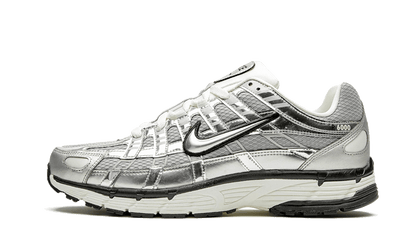


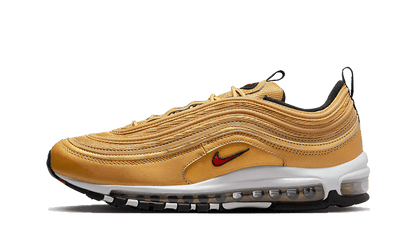


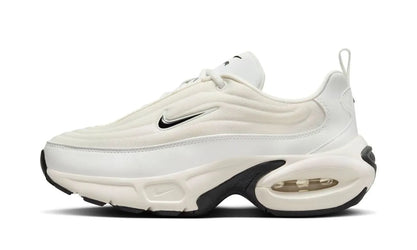
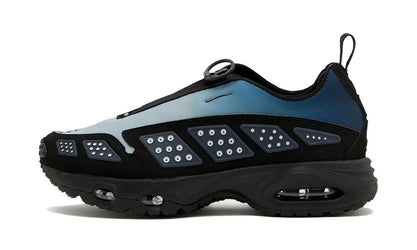
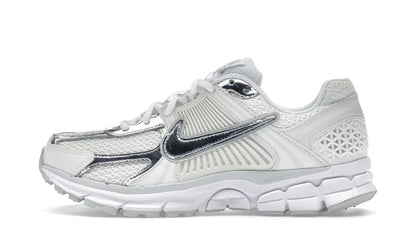

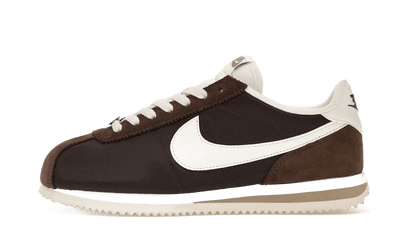
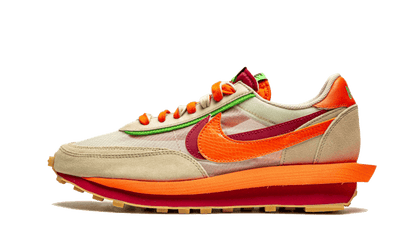
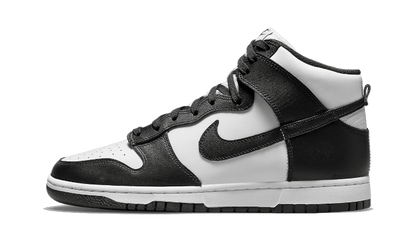
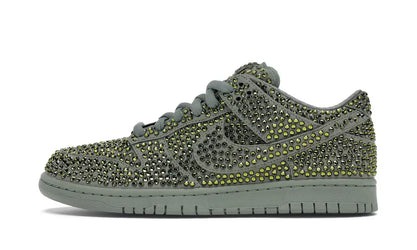
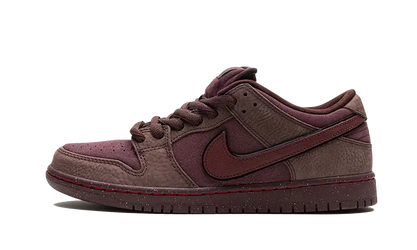
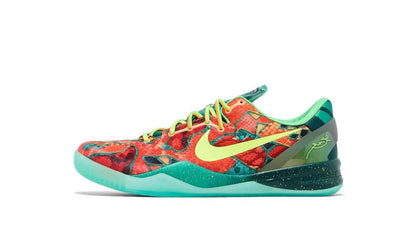

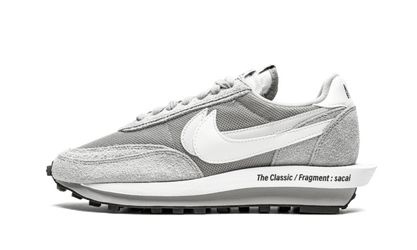
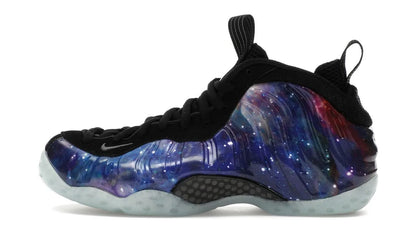


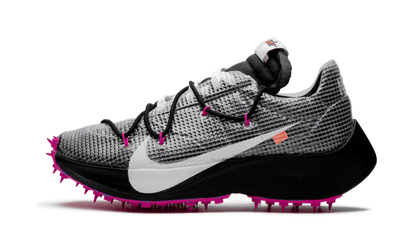

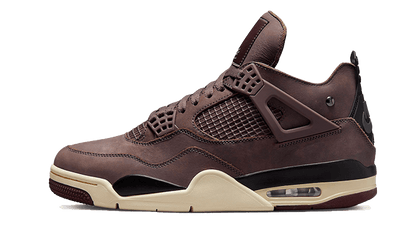
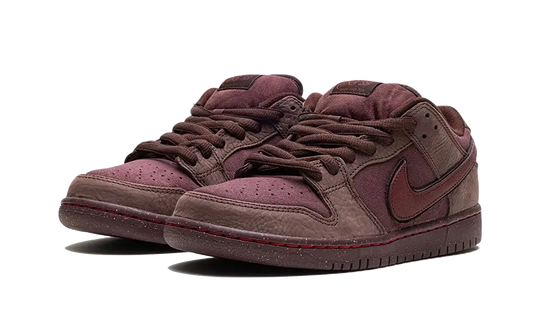
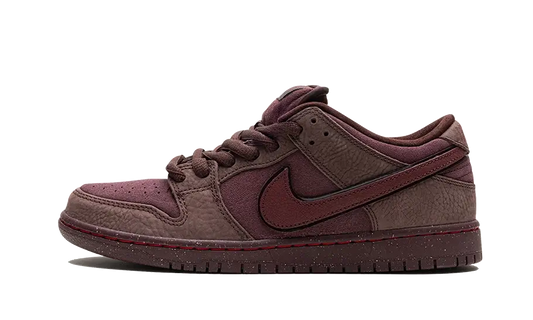
Nike SB Dunk Low City Of Love Burgundy Crush
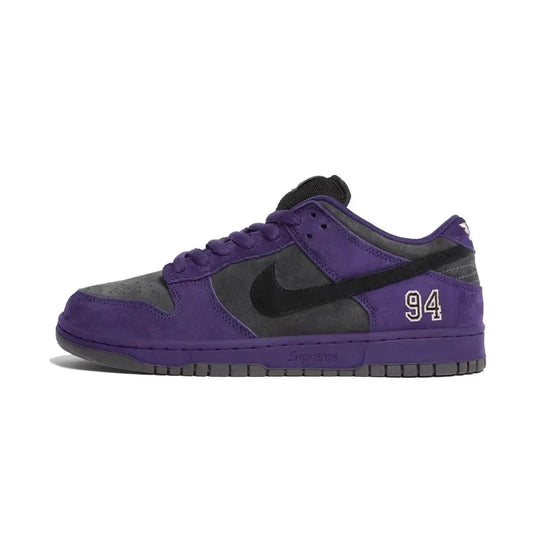
Supreme x Nike SB Dunk Low 94 Ink
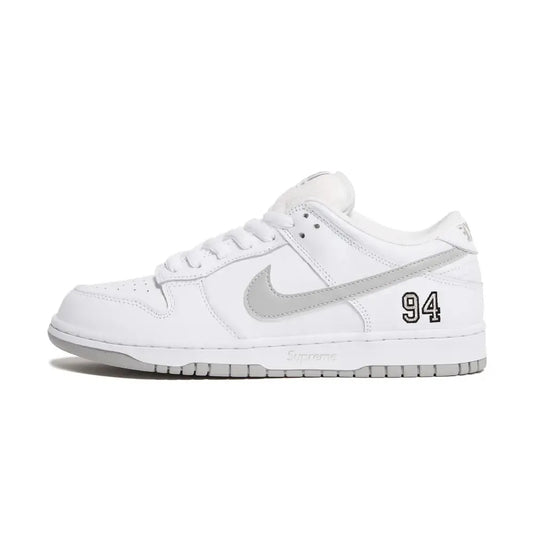
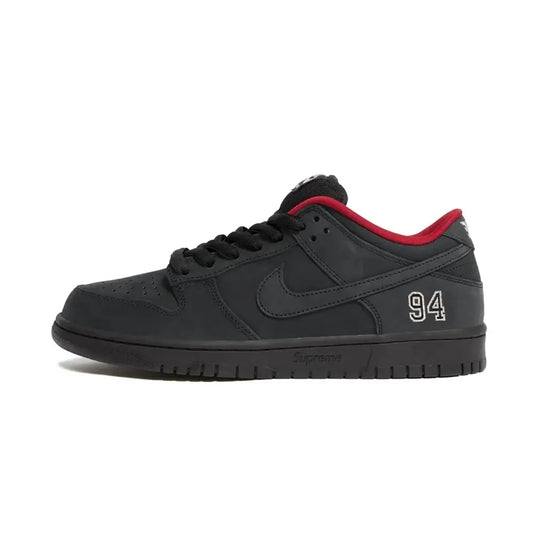
Supreme x Nike SB Dunk Low 94 Black

SB Dunk Low Rodeo Tourmaline
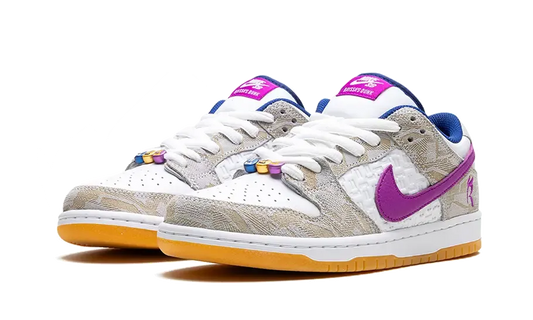

Nike SB Dunk Low Rayssa Leal
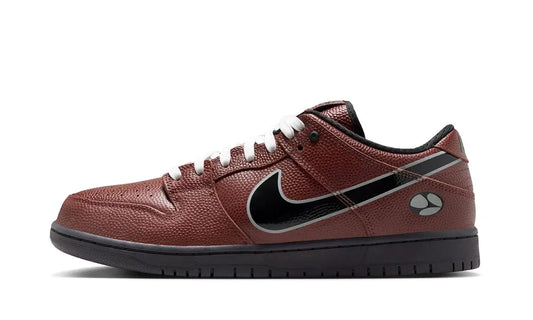
Nike SB Dunk Low Limosine Skateboards
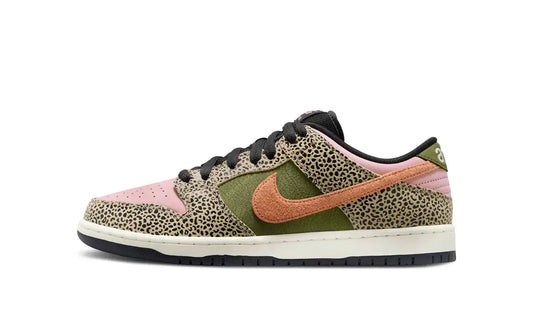
Nike SB Dunk Low Arts-Rec
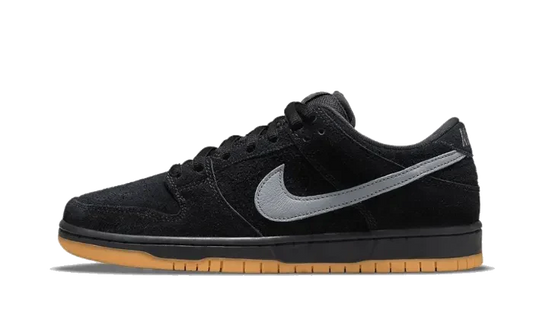
Nike SB Dunk Low Fog
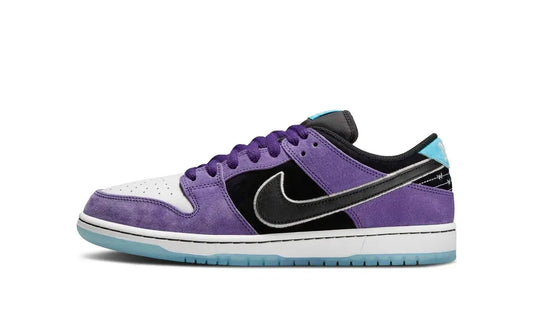
Nike SB Dunk Low Hayley Wilson
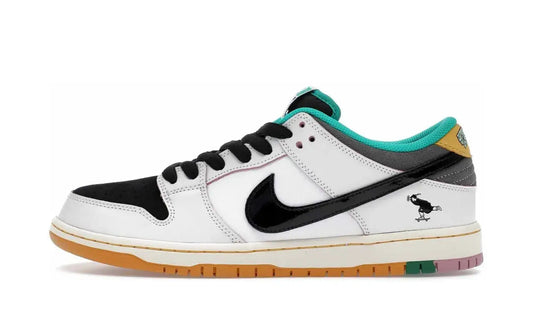
Nike SB Dunk Low CSEF
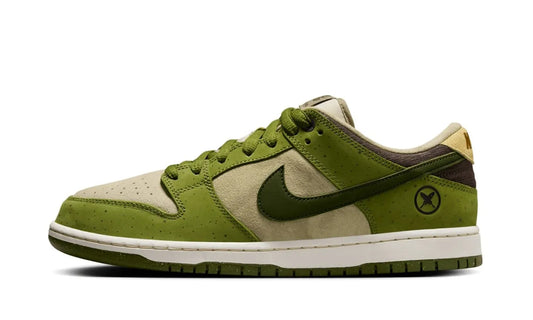
Nike SB Dunk Low Yuto Horigome Asparagus
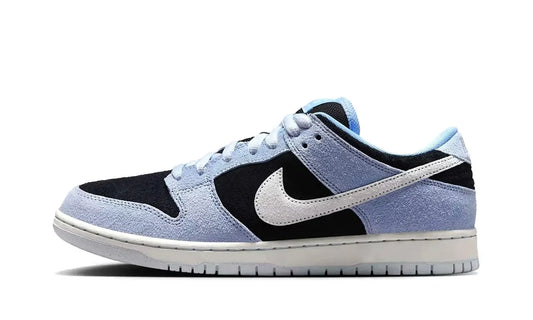
Nike SB Dunk Low Black Aluminum
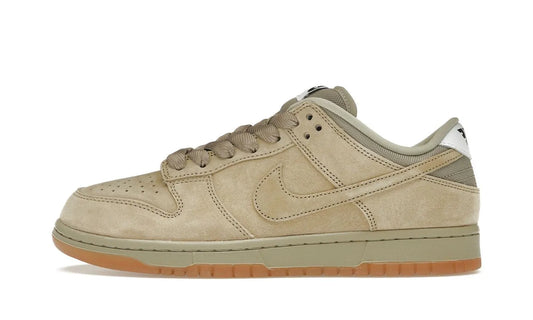
Nike SB Dunk Low Pro B Parachute Beige
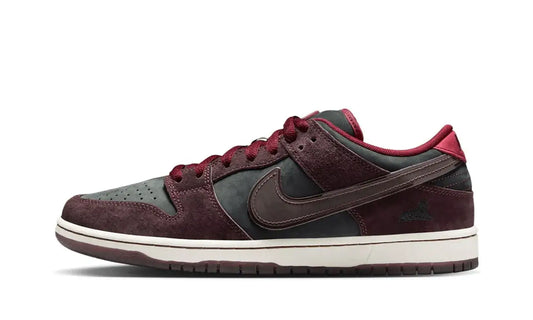
Riot Skateshop x Nike SB Dunk Low "Mahogany"
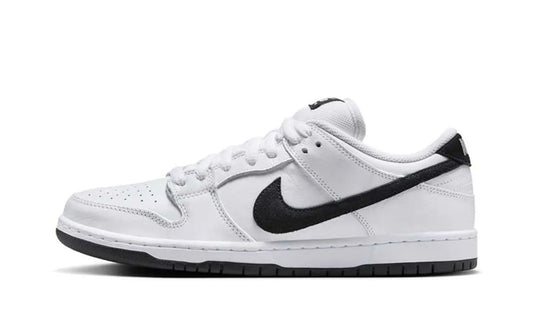
Nike SB Dunk Low White Black
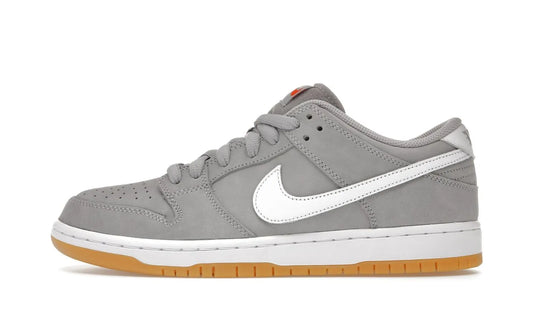
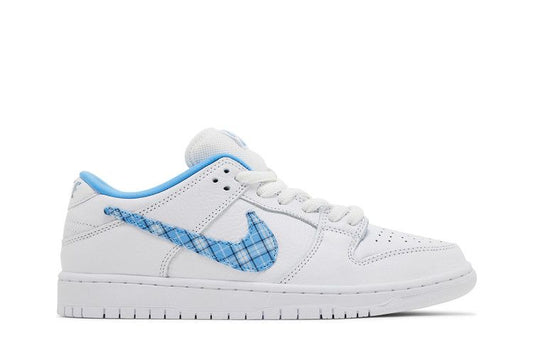
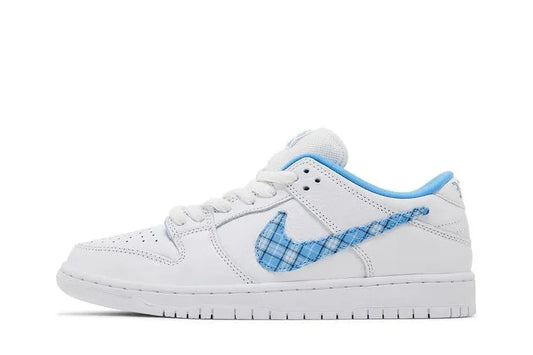
Nike SB Dunk Low Pro by Nicole Hause
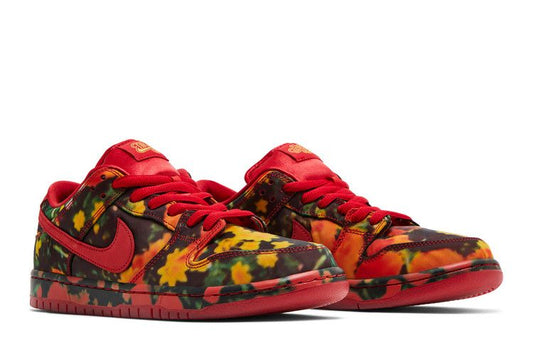
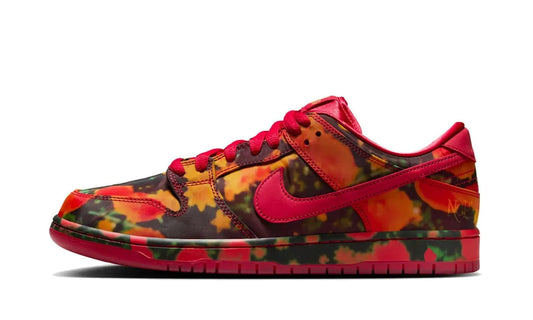
The Wizard of Oz x Nike SB Dunk Low Poppy Field
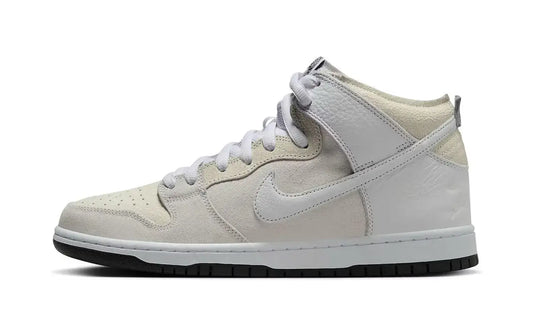
Antihero Skateboards x Nike SB Dunk High "White"
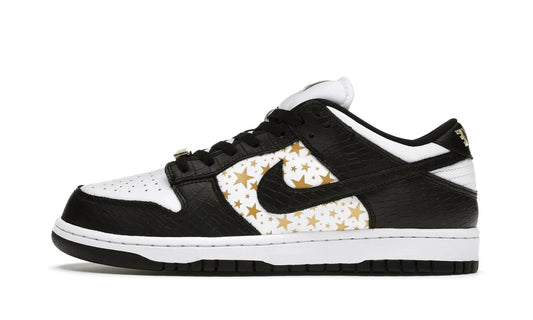
Supreme x Nike SB Dunk Low Stars Black (2021)
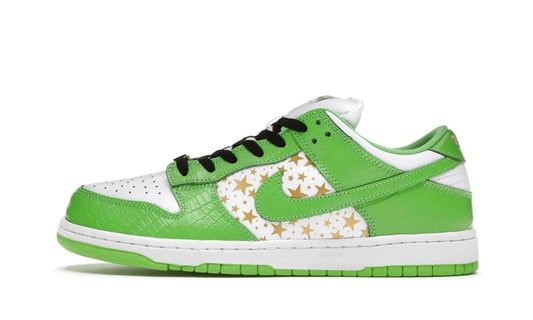
Supreme x Nike SB Dunk Low Stars Mean Green (2021)
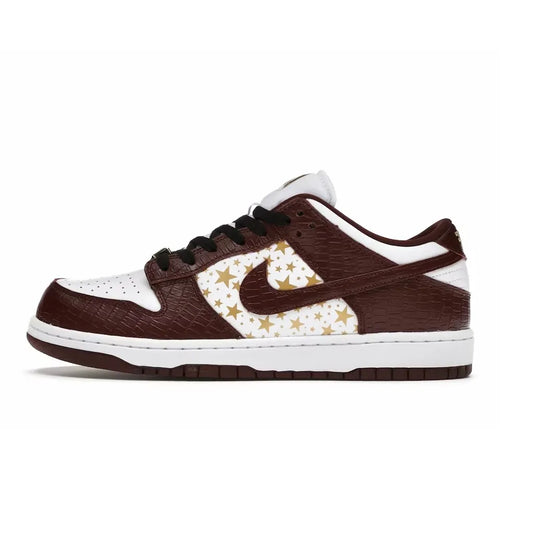
Supreme x Nike SB Dunk Low Stars Barkroot Brown (2021)
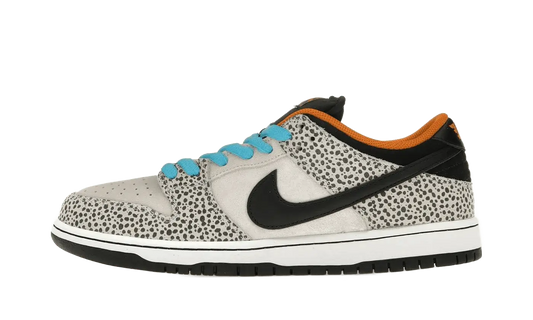
Nike SB Dunk Low Electric Pack Olympic "Safari"
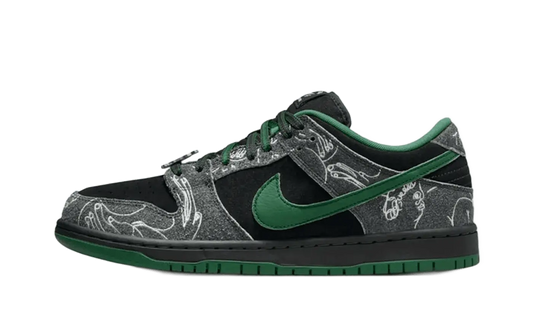
There Skateboards x Nike SB Dunk Low "Black"
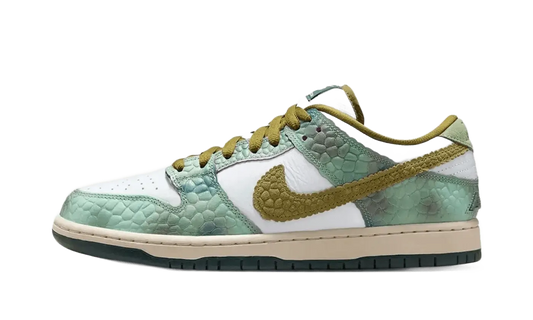
Alexis Sablone x Nike SB Dunk Low "Chameleon"
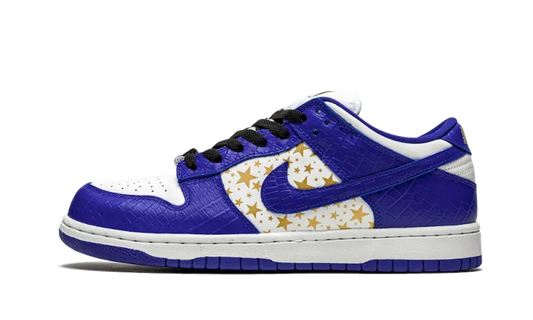
Supreme x Nike SB Dunk Low Hyper Royal
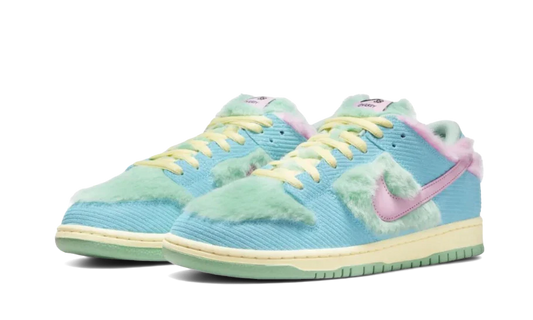
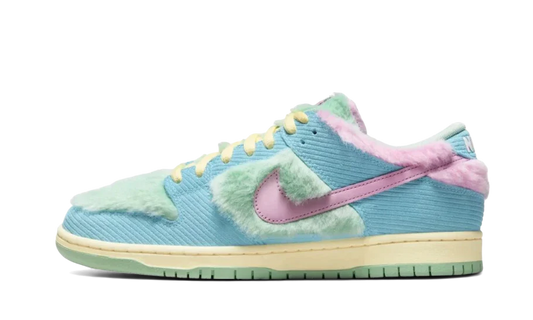
Verdy x Nike SB Dunk Low "Vista"
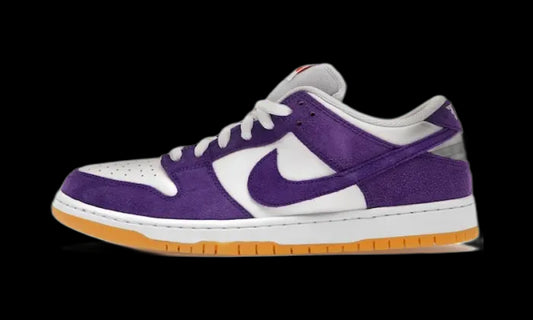
Nike SB Dunk Low "Purple Suede"
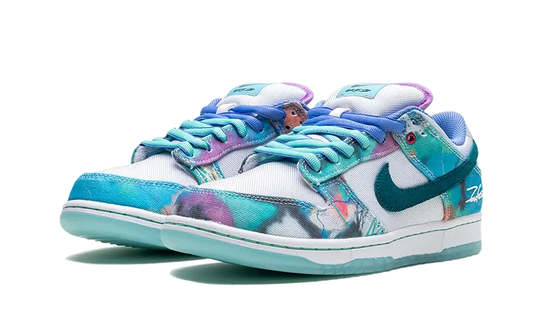
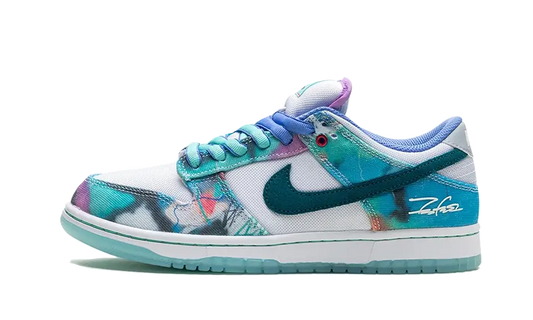
Futura Laboratories x Nike SB Dunk Low Bleached Aqua"
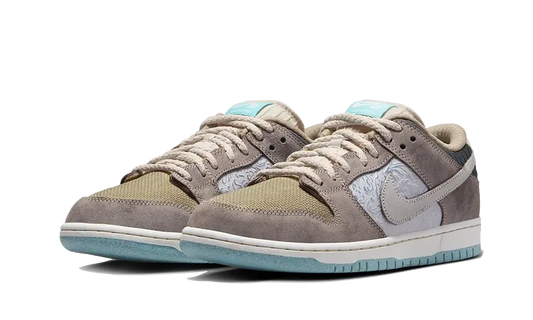
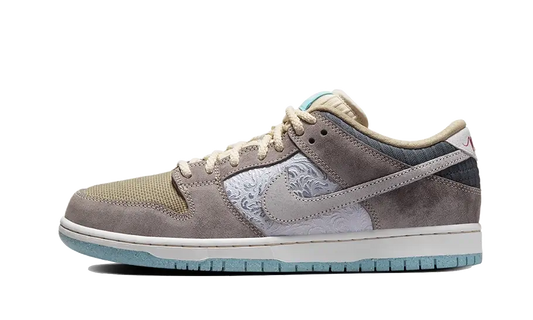
Nike SB Dunk Low Pro "Big Money Savings"
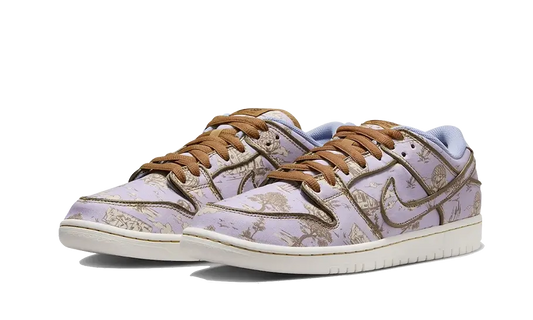
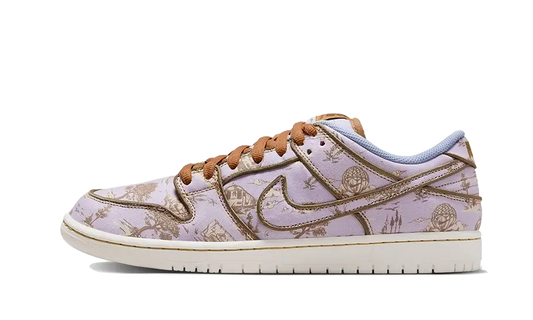
Nike SB Dunk Low Premium "Pastoral"
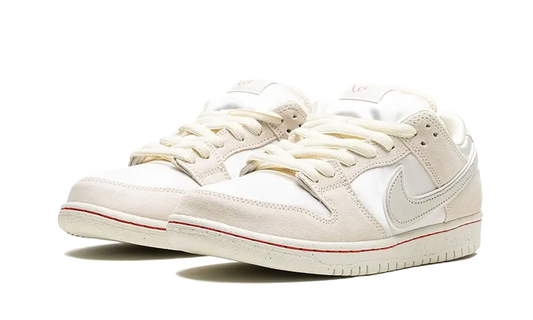
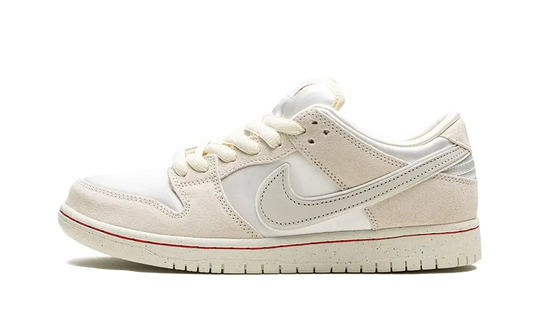
Nike SB Dunk Low City Of Love Light Bone
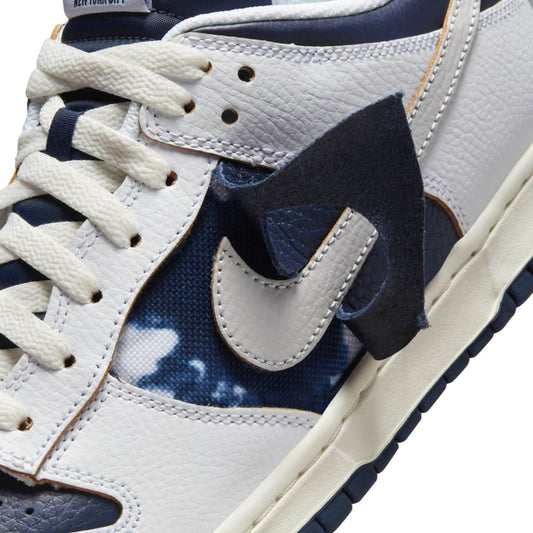
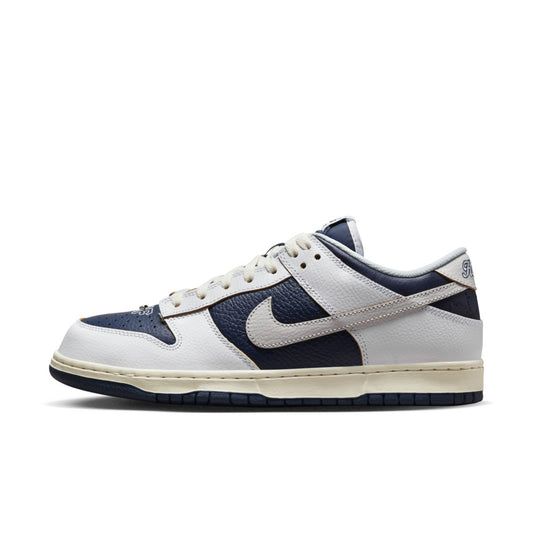
HUF x Nike SB Dunk Low "New York City"
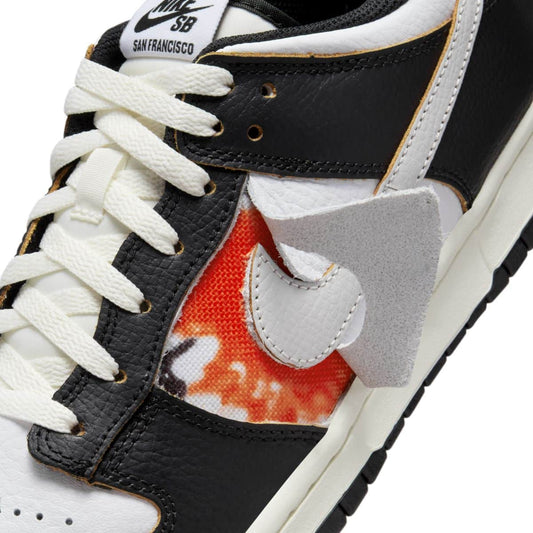
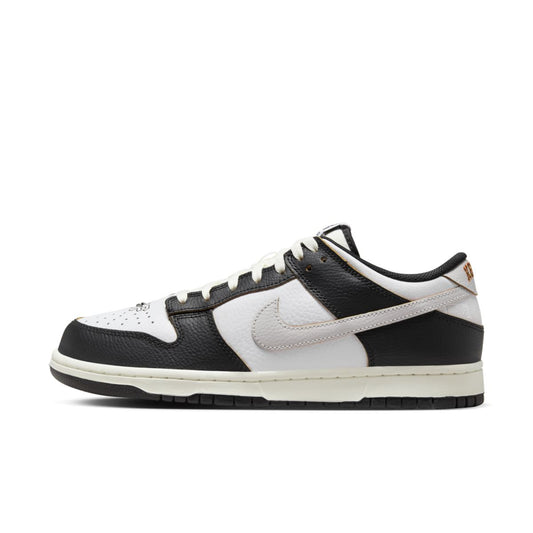
HUF x Nike SB Dunk Low "San Francisco"
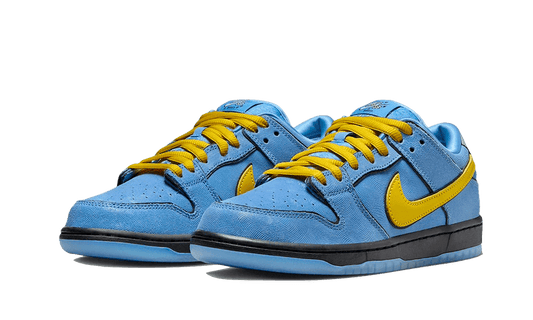
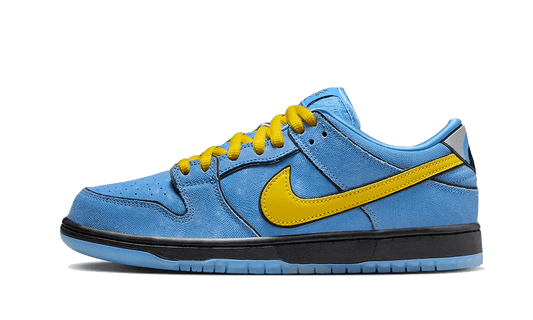
The Powerpuff Girls x Nike SB Dunk Low Bubbles
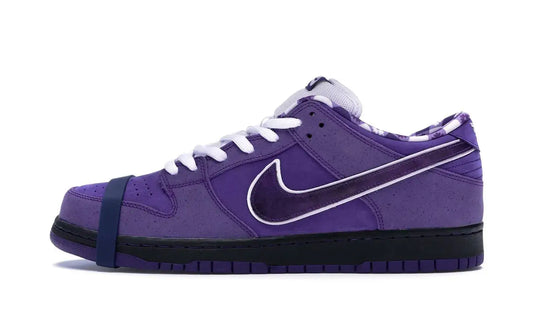
Concepts x Nike SB Dunk Low Purple Lobster
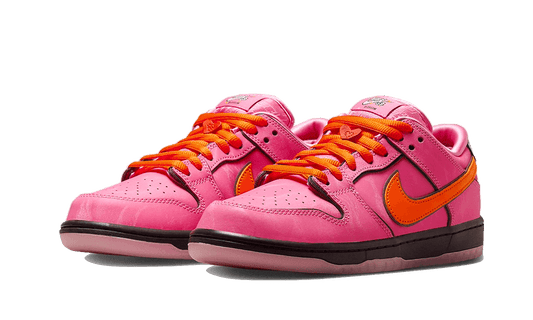

The Powerpuff Girls x Nike SB Dunk Low Blossom
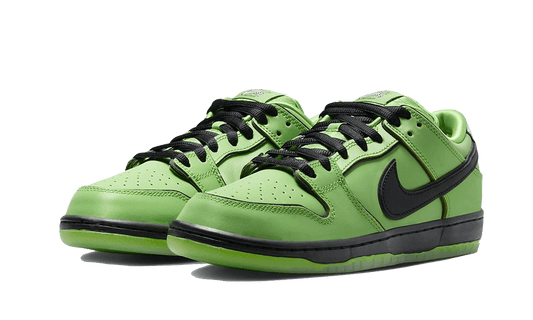
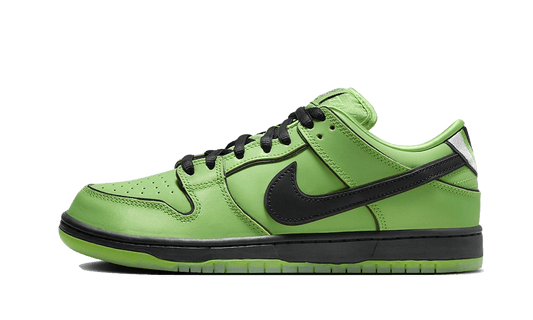
The Powerpuff Girls x Nike SB Dunk Low "Buttercup"
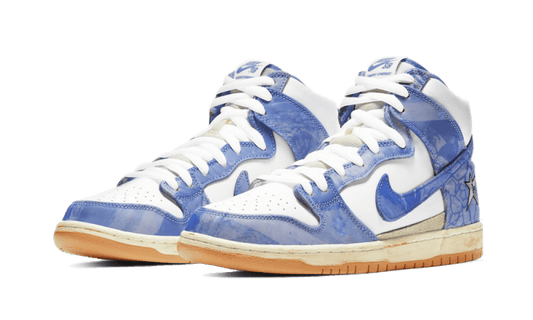
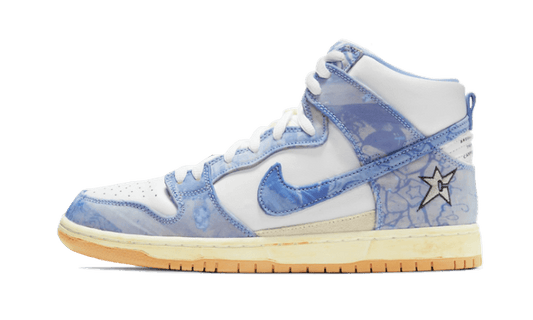
Carpet Company x Nike SB Dunk High "Blue/White-Gum"
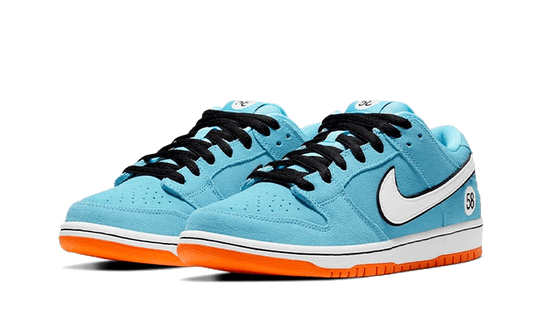
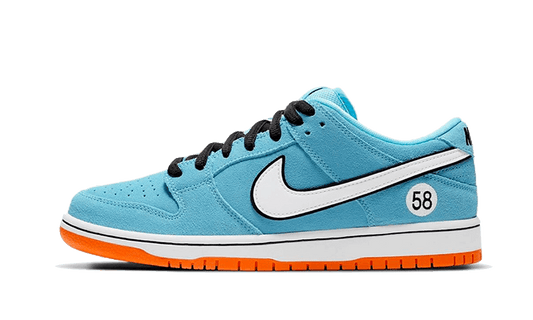
Nike SB Dunk Low Club 58 Gulf
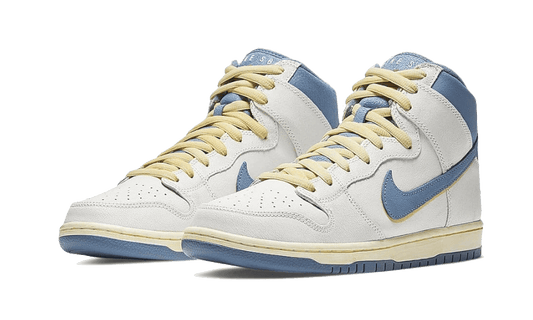
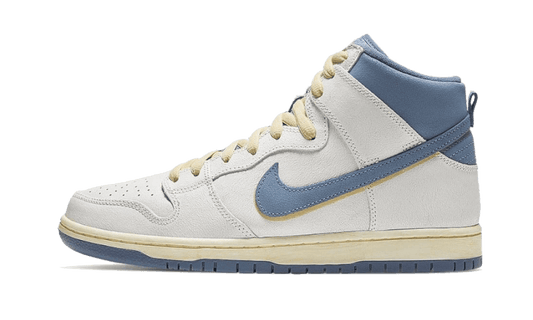
Nike SB Dunk High Atlas Lost at Sea (2020)
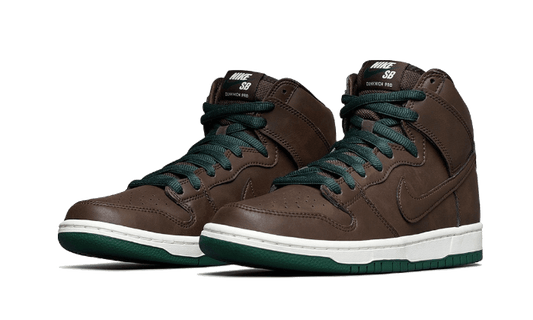
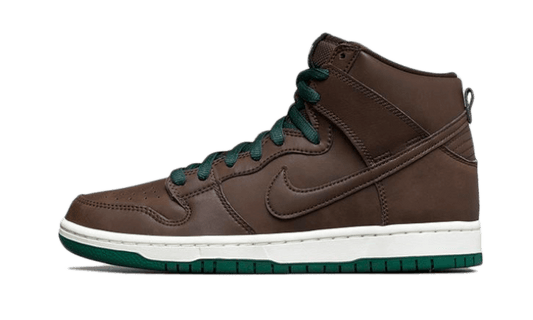
Nike SB Dunk High Baroque Brown (2021)
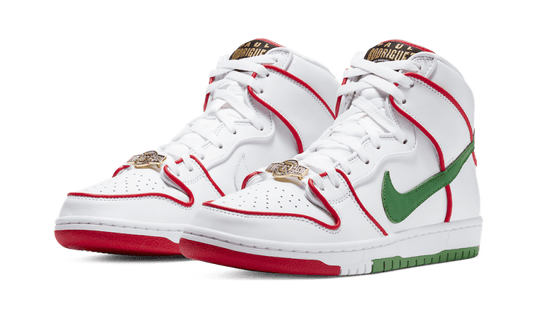
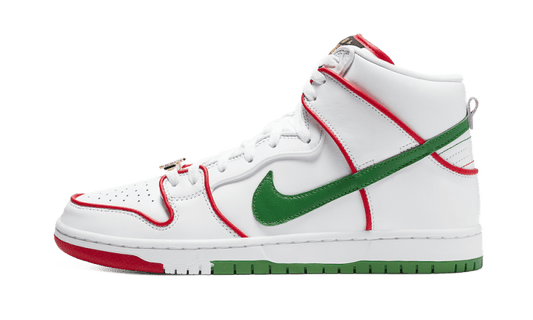
Nike SB Dunk High Paul Rodriguez
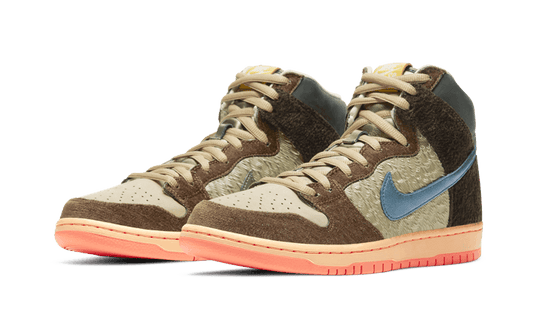
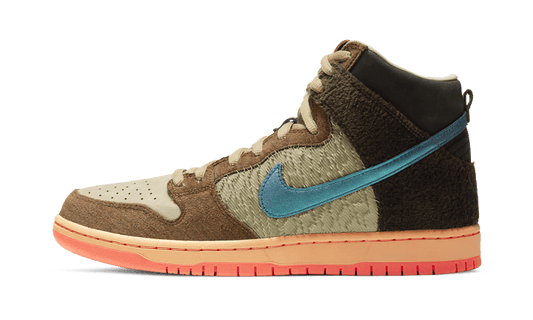
Nike SB Dunk High Concepts Turdunken
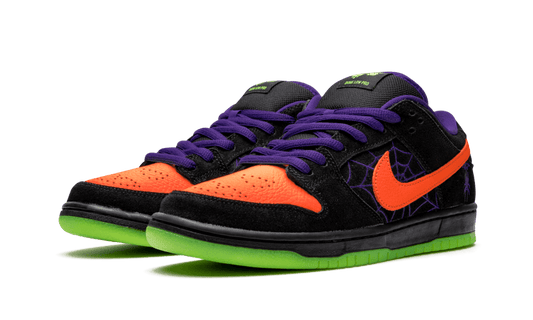
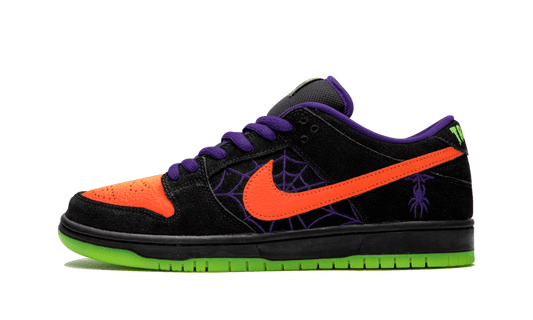
Nike SB Dunk Low "Night of Mischief"
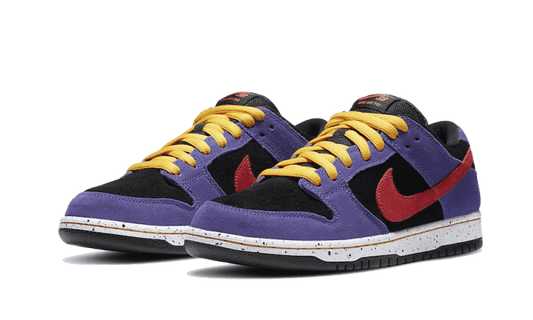
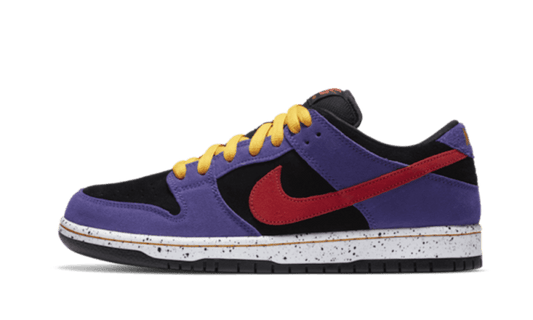
Nike SB Dunk Low ACG Terra
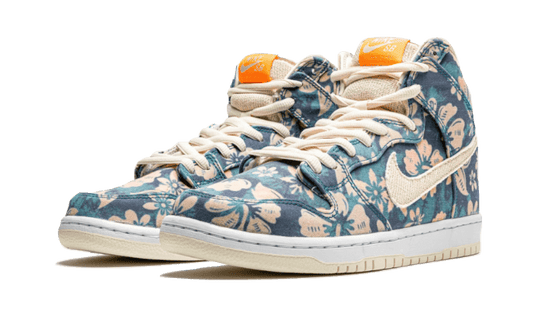
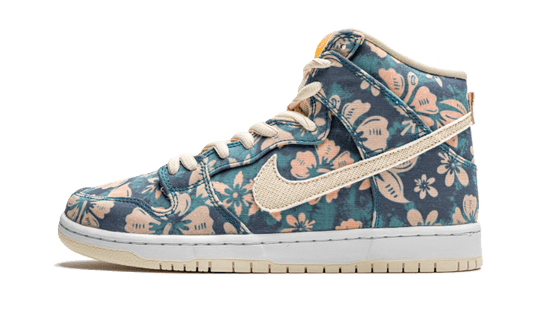
Nike SB Dunk High Hawaii
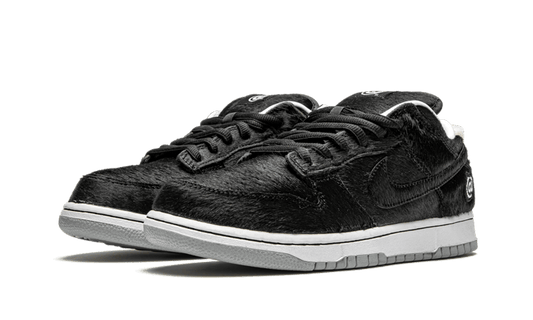
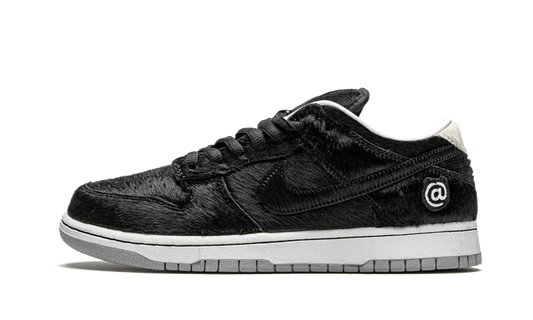
Medicom Toy x Nike SB Dunk Low BE@RBRICK
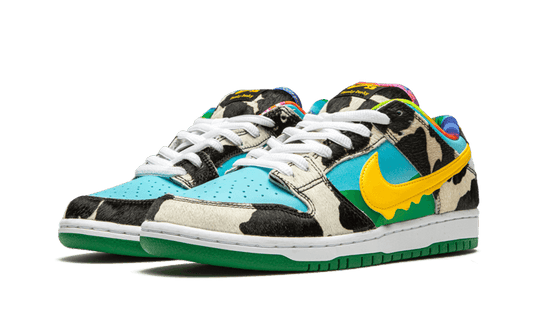
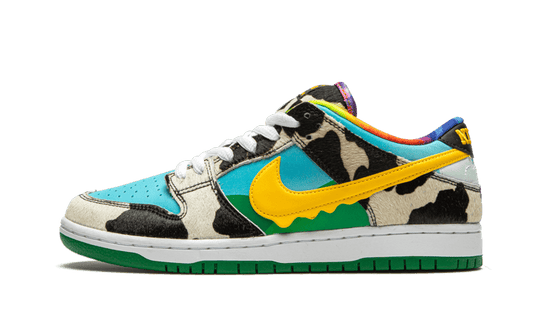
Nike SB Dunk Low Ben & Jerry's Chunky Dunky
The Nike SB Dunk arrived in March 2002 as a watershed moment for skateboarding footwear. It wasn't Nike's first foray into the skate market—the 1997 initiative failed to gain traction—but the 2002 launch marked the company's serious, strategic foray into the core of skate culture. Under the visionary leadership of Sandy Becker , Nike created a dedicated Skateboarding (SB) division , signaling an institutional commitment to authenticity within the discipline.
The original basketball Dunk, born in 1985, was a staple silhouette. However, Nike didn't just rebrand the classic model. Instead, engineers completely redesigned the shoe with the performance requirements specific to skating in mind. The result was a shoe that paid homage to its basketball heritage while delivering functional innovations tailored to the demands of skating.
The first collection featured four iconic models: the Shark, Flash, Loden, and Wheat Hi. These early releases set the aesthetic. Shortly thereafter, Nike introduced the Color Pack , a defining collection that featured signature colorways designed for and named after the team's pioneering riders: Reese Forbes, Gino Ianucci, Danny Supa, and Richard Mulder . These athletes weren't just the faces of the campaign—they were collaborators who legitimized the product within the core skate community.
What set the Nike SB Dunk apart from conventional basketball shoes was its deliberate engineering approach. A Zoom Air unit in the heel provided responsive impact protection. A padded tongue and collar provided additional comfort and ankle support during skating. The shoe prioritized durability without sacrificing the visual appeal that ultimately made it a cornerstone of sneaker culture .
Over the past two decades, the SB Dunk has transcended its skateboarding roots. It has evolved into a global phenomenon that fuses streetwear fashion , sneaker culture, and athletic performance. What began as a functional tool for skaters has become a canvas for artistic expression, a symbol of cultural authenticity, and an object of desire for sneaker collectors worldwide—all while maintaining its fundamental connection to the skate community that created it.
What characterizes Danes SB?
The model is constructed with skateboarding-specific innovations that fundamentally differentiate it from standard basketball shoes . These technical improvements transform the classic silhouette into a performance tool designed for the demands of skateboarding.
The padded "thick" tongue is the most visually distinctive element. This signature design element provides significant sound insulation and protection during intense skate sessions. The additional padding cushions impact and protects the top of the foot from repeated contact and board pressure—a key consideration for skaters who spend hours grinding and flipping.
Zoom Air cushioning in the heel provides responsive support on impact. This technology compresses upon landing and returns to its previous state, reducing stress on joints. Some premium SB models extend the Zoom Air throughout the shoe for comprehensive shock absorption. Combined with Poron foam in the forefoot, this dual-point cushioning system addresses the specific impact zones experienced by skaters during tricks and landings.
The sole features thinner grip rings placed closer together than regular Dunks. This design balances grip with flexibility. Skaters need grip on the grip tape to maintain board control, but excessive stiffness limits the natural flexibility required for technical maneuvers. The improved grip pattern solves this engineering challenge.
Rounded laces replace the thin, flat laces of basketball Dunks. This seemingly small detail has a significant impact. The thicker, rounded laces resist wear and tear from the pressure of skateboarding and grinding. They stay tied longer and withstand the unique stresses that skateboarding places on footwear.
Triple-stitching throughout the shoe enhances durability. Standard single-stitch construction fails prematurely under the repeated stress of skateboarding. Triple-stitching distributes the tension across multiple thread lines, preventing separation and extending the shoe's lifespan. Some models include elastic straps for additional lateral stability, crucial when landing tricks at angles.
The insole often features terry cloth, a moisture-wicking material that keeps feet dry during extended sessions. This detail prevents sweat buildup, which causes discomfort and accelerates material degradation. The interior design prioritizes both performance and durability—priorities invisible to the casual observer but essential for serious skaters.
These SB tech specs work synergistically to create excellent boardfeel and impact protection without sacrificing the iconic Dunk aesthetic. The result is a shoe that gets the job done.
SB Dunk vs Regular Dunk: Key Differences
While both models share the iconic DNA of the 1985 Dunk, the Nike SB and the regular Dunk are fundamentally different shoes designed for different purposes. Understanding these differences is crucial for buyers deciding which model suits their needs.
The padded tongue is the most visible difference. The SB Dunks feature a noticeably thicker, cushioned tongue—often called a "fat" tongue—compared to the skinny mesh design of regular Dunks. This design choice isn't cosmetic; it's functional. The padded tongue protects the foot during skateboarding tricks and provides excellent ankle support during landings. Regular Dunks prioritize a slimmer silhouette because they're lifestyle sneakers, not performance tools.
The sockliner design reveals deeper engineering differences. SB Dunks incorporate Zoom Air units in the heel paired with Poron foam in the forefoot. Regular Dunks use standard EVA sockliners. This difference is significant. The Zoom Air technology in SB models provides responsive, rebounding cushioning tailored to absorb the impact of skateboarding. EVA sockliners offer basic comfort but lack the performance engineering required for board tricks and landings.
The sole design differs significantly. The SB Dunks have more, but thinner, traction rings that balance grip with flexibility. This pattern maintains control on the grip tape while allowing for the natural flexibility required for skateboarding. The regular Dunks have wider treads, optimized for casual walking rather than boardfeel and technical maneuvers.
The lacing systems are unexpectedly different. The SB Dunks use thicker, rounded laces designed to withstand the wear and tear of skateboarding. Regular Dunks come with thin, flat laces that focus on visual appeal. It's a small detail with practical implications—the SB laces stay tied longer during your session.
Material construction emphasizes durability in another way. SB Dunks use reinforced materials such as premium suede, leather, or cotton with reinforced triple stitching throughout. Regular Dunks have a standard construction suitable for casual wear. This reinforcement makes the SB models more resistant to the wear and tear of skateboarding.
Branding provides a quick identifier. SB Dunks display the distinctive Nike SB tongue label and skateboard-specific branding. Regular Dunks feature standard Nike basketball heritage branding. This difference in branding signals the shoe's intended community and purpose.
Essentially, the SB Dunks are skate shoes built for performance, with all components optimized for the demands of skateboarding. Regular Dunks remain lifestyle sneakers, closer to their basketball origins, designed for visual appeal and casual comfort. Choosing between them depends on your primary use: performance skateboarding requires the SB model, while casual wear can accommodate both options, depending on personal preference.
Legendary SB Dunk collaborations
Nike SB Dunk collaborations have fundamentally changed sneaker culture since the shoe's debut. These partnerships elevated the SB Dunk from performance footwear to wearable art, fusing skateboarding authenticity with street culture and high fashion in a way that transformed the entire industry.
The Supreme x Nike SB Dunk Low 'Elephant Print' (2002) is Nike SB's first official collaboration and a true grail of sneakers. This groundbreaking partnership featured an Air Jordan 3-inspired cement print, which immediately signaled Nike's serious commitment to collaborations within core skateboarding communities. Today, pairs resell for upwards of $2,000-$2,250, reflecting their cultural significance and rarity. The Supreme x Nike SB Dunk High 'Red Stars' from 2003 brought back crocodile-print leather panels and intricate star patterns. This collaboration fetches prices of $1,855+ on secondary markets, solidifying Supreme's position as the most influential SB Dunk partner in history.
Jeff Staple's 2005 "Pigeon" Dunk represents the most influential SB collaboration of all time. This release literally changed sneaker culture and release strategy forever. The "Pigeon" Dunk generated such demand that it caused a riot in retail stores, forcing a complete reassessment of how brands managed hype and rarity. Staple's design combined skateboarding credibility with artistic vision, proving that collaborations could transcend product launches and become cultural moments.
Tiffany Dunk's partnership with Diamond Supply Co. brought a luxurious aesthetic to skateboarding footwear. This collaboration combined the global jewelry brand's sensibility with the authenticity of street culture, attracting collectors who previously viewed sneakers purely as functional. Concepts innovated with its legendary 'Lobster' series, creating a collaboration line that became synonymous with design excellence and limited-edition covetousness within the skateboarding community.
Contemporary collaborations continue this tradition with fresh voices and global perspectives. Olympic skateboarding champion Yuto Horigome brings authentic performance expertise, ensuring designs serve both aesthetic and functional needs. Graffiti legend Futura represents the intersection of street art and footwear design, fusing artistic expression with skateboarding heritage. Brazilian skateboarding sensation Rayssa Leal brings global diversity and youth energy to the collaboration landscape. Designer Verdy brings fashion sensibilities that fuse streetwear and skate culture. These partnerships demonstrate how SB Dunk collaborations have evolved from exclusive skate shop releases to globally anticipated design events.
The impact extends beyond secondary market value and collector hype. These collaborations have strengthened community engagement across generations of skaters, artists, and sneaker enthusiasts. They have proven that authentic partnerships—where collaborators truly shape the design direction—create products with lasting cultural relevance. Limited editions released under 30,000 pairs generate immediate sellouts and lasting premiums on the secondary market, while foundational releases from 2002–2005 command prices reflecting their historical significance and rarity.
Legendary collaborations have transformed the Nike SB Dunk from a performance skate shoe into a canvas where athletic function meets artistic expression, cultural narrative, and community identity. This collaborative approach fundamentally distinguishes the SB Dunks within sneaker culture and explains their enduring desire among collectors worldwide.
Contemporary editions and market trends
The Nike SB Dunk market underwent a dramatic transformation between 2024 and 2025, reshaping both the sneaker landscape and collector expectations. What began as a surge between 2020 and 2023 turned into a period of strategic recalibration driven by market saturation and Nike's deliberate production strategy .
Market dynamics have fundamentally shifted. Analysts forecast a significant 70% decline in Nike Dunk sales, from $5.85 billion in 2024 to approximately $1.75 billion in the next fiscal year. This contracting reflects a saturated market, with general releases becoming increasingly affordable at retail prices. Nike has strategically increased production of popular models, deliberately making SB Dunks more attainable. Secondary market premiums—once reaching 100% markups during peak hype periods—have fallen to the current 10%-25% range for general releases.
Limited editions tell a different story. While market saturation has dampened demand for general releases, collaborations and regional releases continue to generate significant collector interest. Skateshop-exclusive releases, particularly those under 30,000 pairs, continue to sell out quickly and command significant premiums on the secondary market. This bifurcation reflects the changing values of collectors: scarcity-driven hype has given way to an appreciation for authentic design innovation and cultural storytelling.
The 2024-2025 releases demonstrate Nike's commitment to collaborative authenticity over sheer volume. The Supreme x Nike SB Dunk Low Pro OG QS Pack (May 2025) continued Supreme's dominance of SB Dunk collaborations, delivering premium packaging and nostalgic nods. The Hayley Wilson collaboration (Summer 2025) brought fresh creative perspectives from an emerging voice. The Black History Month 'BHM' edition (February 2025) connected the silhouette with cultural moments beyond skateboarding. The Arts-Rec partnership (Fall 2025) connected creative communities, while Futura Laboratories' 'Bleached Aqua' fused street art with footwear innovation.
Global representation expanded the collaboration landscape. Brazilian sensation Rayssa Leal received her signature model, bringing her Olympic-level skateboarding credentials to the design conversation. Designer Verdy Vista brought a fashion sensibility. There Skateboards delivered a release paying tribute to their own community. These partnerships signaled Nike's commitment to decentralized design over star-focused endorsements.
Nike's strategic positioning reflects a deeper understanding of the market. Instead of pursuing limitless growth, the brand now prioritizes the quality of its partnerships and retail consistency. This approach stabilizes the secondary market, reduces artificial inflation, and rebuilds trust in skateboarding communities weary of hype cycles. General releases ensure accessibility for everyday skaters, while limited editions reward committed collectors and community stakeholders.
The modern market values narrative over novelty. Releases that highlight authentic design stories—whether rooted in skate culture, artistic expression, or the global talent of skateboarding—generate lasting demand. Colors that reference cultural moments or community heritage resonate more deeply than purely aesthetic options. This maturity reflects the evolution of sneaker culture from speculative investment vehicles back toward an appreciation for craftsmanship and cultural significance.
The 2024-2025 period represents a turning point. A market correction was inevitable after the extraordinary growth of 2020-2023. But Nike's measured response—balancing availability with exclusivity, general releases with collaborations, and volume with cultural authenticity—positions the SB Dunks for lasting relevance. The next phase prioritizes deep collector engagement over mass-market hype.
How to spot a fake Nike SB Dunk?
The Nike SB Dunk's coveted appeal makes it a prime target for counterfeiters. High-quality replicas are flooding the market, making authentication skills essential for serious collectors. Learning to identify fakes protects your investment and supports legitimate skateboarding communities.
Start with the inner tab. Authentic pairs display text that is perfectly straight, centered, and boldly printed. The lettering should be sharp and uniform. Counterfeit tabs are immediately apparent: text appears thin, slanted, or misaligned. The font weight lacks consistency. If characters appear faint or pixelated, the pair is counterfeit. This single detail catches most replicas off guard, as manufacturers of counterfeit models struggle with printing precision.
The Swoosh requires careful inspection. On legitimate SB Dunks, the Swoosh appears slim and elevated from the midsole, with a visible breathing area beneath it. The curve flows naturally, neither too sharp nor too rounded. Fake Swooshes are usually thicker, positioned too low, or actually touch the midsole—a glaring telltale sign. Compare the Swoosh's thickness to reference images from official Nike releases. Manufacturers of counterfeit models often simplify this key detail.
Check the outsole spacing very carefully. Authentic SB Dunks have wider spacing between the traction rings, allowing for flexibility while maintaining grip. Counterfeit outsoles pack the treads tightly together, creating a compressed look. Run your finger along the outsole pattern. Authentic pairs appear deliberate; fakes appear chaotic. The traction rings on authentic pairs are slimmer but strategically placed. This engineering detail reflects the demands of skateboarding performance, which counterfeit manufacturers ignore.
Check the embroidery on the padded pull tab. The front of the pull tab should display the complete, perfectly formed letters "NIKE SB." Each letter must be present and undamaged. Counterfeits often exhibit incomplete stitching, missing characters, or poorly formed letters. The embroidery on authentic pairs is even, with consistent spacing between characters. The ® symbol appears slightly above center on the back pull tab. Manufacturers of counterfeit models rush this process, resulting in visible imperfections.
Factory codes on the inner label reveal authenticity patterns. Every legitimate SB Dunks has specific factory codes corresponding to the production location and date. These codes vary depending on the model and release year, but must match verified authentic examples. Manufacturers of counterfeit models either omit the codes entirely or use generic placeholders. Research the legitimate factory codes for your specific model in advance. Cross-reference multiple authentic pairs to understand which codes are consistent. Inconsistent or missing codes immediately signal counterfeits.
The quality of the material immediately distinguishes authentic from counterfeit. Authentic suede has a fluffy, thick appearance, and a uniform color saturation. Run your hand over it—authentic suede feels luxurious and solid. Fake suede appears thin, patched, and discolored. The premium leather on authentic SB Dunks feels solid and ages beautifully. Fake leather often feels plastic or flimsy. Canvas should have weight and texture. Synthetic substitutes feel hollow. Check for color consistency throughout the upper. Fakes often exhibit uneven dye saturation or color bleeding.
The quality of the stitching immediately reveals a fake construction. Authentic SB Dunks feature triple stitching throughout the entire shoe with precise alignment. The threads are matched to the materials, often subtle and refined. The stitching lines smoothly follow curves and maintain perfect spacing. Fake stitching is darker, more visible, and often imperfect. The thread tension appears inconsistent. Crooked seams suggest replicas. Inspect panel joints carefully. The stitching of the toe box should be especially precise on legitimate pairs.
Buy only from authorized sources to eliminate risk. Authorized Nike retailers, reputable verified skate shops, and official Nike channels provide legitimate products. Likewise, streetwear stores like APLUG guarantee you won't find fakes here!
- Nike SB Dunk High
- Nike SB Dunk Low
- Nike SB Dunk Low black
- Nike SB Dunk Low Purple
- Nike SB Dunk Low Blue
- Nike SB Dunk Low gray
- Nike SB Dunk Low Green
- Nike SB x Grateful Dead
- Nike SB x Gundam
- Nike SB x Paul Rodriguez
- Nike SB x Verdy
- Nike SB x Yuto Horigome
- Nike SB shoes
- Nike Dunk
- Nike Dunk High
- Nike Dunk Low
- Nike Dunk Low Next Nature
- Nike Dunk Low Scrap
- Nike shoes
- Nike sneakers
Filters and sorting
- Featured
- Most relevant
- Best selling
- Alphabetically, A-Z
- Alphabetically, Z-A
- Price, low to high
- Price, high to low
- Date, old to new
- Date, new to old