

New Balance 991
The New Balance 991 is one of New Balance's iconic models, recognized for its quality craftsmanship and comfort. These shoes combine tradition with modernity, maintaining a classic design that captures the attention of fashion enthusiasts.
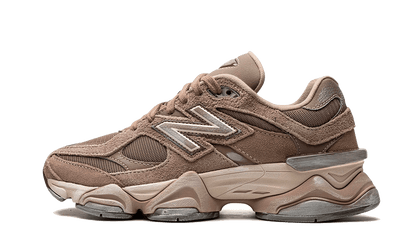
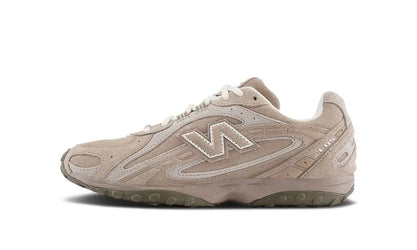


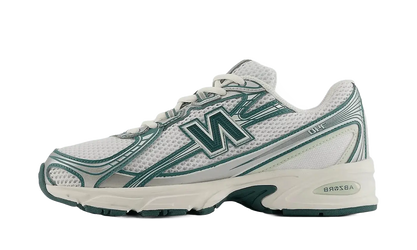

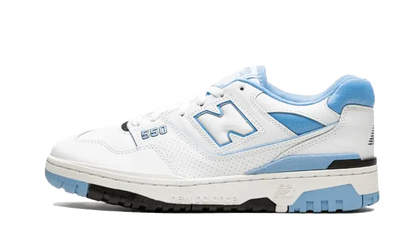

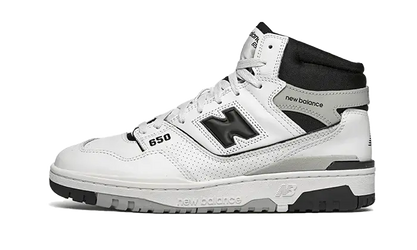

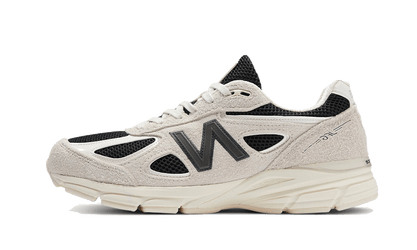


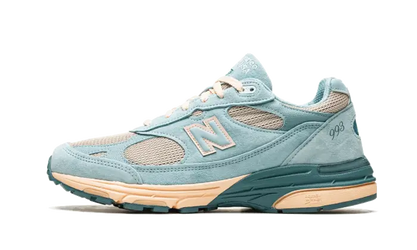
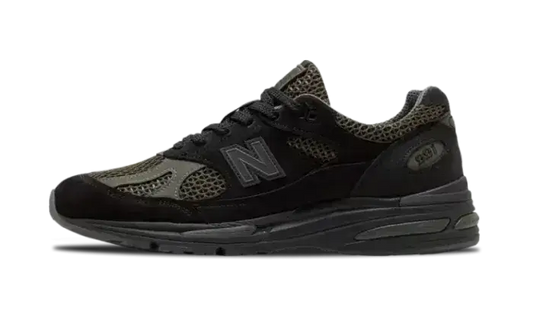
Stone Island x New Balance 991v2 MiUK Black
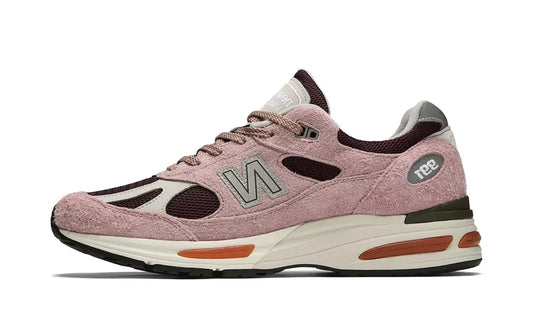
New Balance 991v2 MiUK Pink Mauve
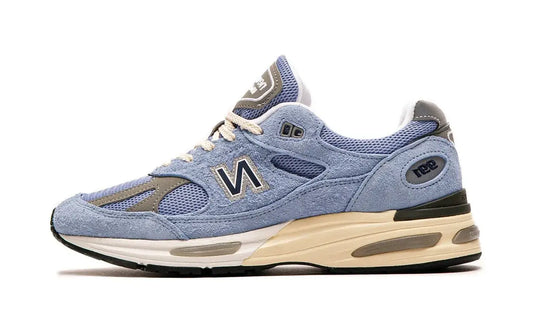
New Balance 991v2 MiUK Celestial Blue
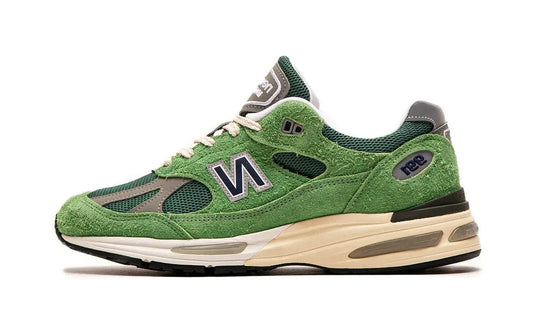
New Balance 991v2 MiUK Mineral Green

991 Made in UK JJJJound
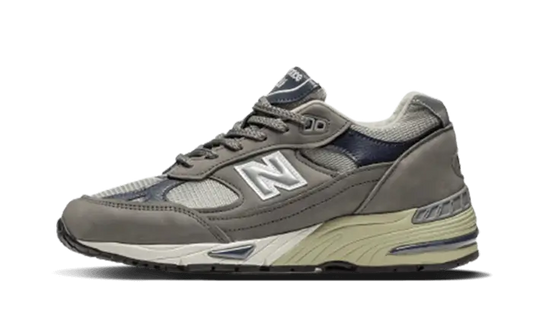
New Balance 991 Made In UK Castlerock Navy

JJJJound x New Balance 991 Made in the UK
The New Balance 991 debuted in 2001 as a groundbreaking achievement. It was the first model in the 99X series designed for the 21st century. This sneaker set a new standard in the engineering and design of modern running shoes.
What made the NB 991 a technical revolution? It was the first in the entire 99X line to offer ABZORB cushioning in both the heel and forefoot. This dual-site cushioning system represented a significant leap forward in impact absorption technology. The result was a higher level of comfort for runners and everyday wearers.
The 991 sneaker has deep roots in British manufacturing. Since the early 2000s, it has been manufactured at the Flimby factory in Cumbria, England. The facility has been producing New Balance shoes since 1982 and currently employs over 210 people. Its Made in the UK heritage remains central to the model's identity and appeal.
The quality of the craftsmanship sets the 991 apart from the rest. The signature construction combines premium camel suede with nubuck, breathable mesh, and synthetic accents. This material combination balances durability with everyday comfort. The shoe feels sturdy yet comfortable for extended wear.
Over time, the 991 evolved beyond its running roots to become a lifestyle trainer. Distinctive tooling on the sole and a refined, understated shape made it easily adaptable to casual and smart-casual styles. This transformation was no accident—it reflected the true value of its design and versatility.
Model codes identify different versions. The M991 designation indicates men's sizes. The U991 code indicates unisex editions. These distinctions help collectors and buyers find exactly what they're looking for.
The Italian Connection: From Running Shoe to Lifestyle Icon
The New Balance 991's evolution from technical running shoe to cultural icon has an unexpected origin story. In the early 2000s, something extraordinary happened on the streets of Milan and during Pitti Uomo. Fashionistas in Italy began wearing the 991 as an everyday shoe.
Why did Italy's creative elite take an interest in this shoe? The 991's unassuming silhouette and premium pigskin suede captivated their aesthetic preferences. Its understated design philosophy perfectly aligned with European style values. Milan Fashion Week attendees and discerning consumers recognized something unique in the shoe's proportions and materials.
This unexpected reception from trend-conscious Italian buyers caught New Balance's attention. The company responded strategically, establishing a relationship with the Flimby factory in England—the closest production center to Italy. Geographic proximity was crucial. Quick transportation to European markets became a competitive advantage. New Balance began creating lifestyle versions specifically promoted in the Italian market.
The strategy worked. Italian interest in the 991 cemented its reputation as a premium lifestyle shoe rather than a pure running shoe. The model's transformation wasn't driven by marketing campaigns or celebrity endorsements. It was organic. It was authentic. Aesthetically conscious Europeans simply recognized craftsmanship and refined design when they saw it.
This Italian impetus established a lasting legacy. Today, both the 991v1 and 991v2 are produced exclusively at Flimby. This Made in the UK heritage remains intrinsic to the shoe's identity. Its proximity to Italy, premium materials, and understated aesthetic—these elements combined to create a shoe that transcended athletic performance and became a symbol of thoughtful design and European sophistication.
The 991's transition from "dad shoe" to must-have lifestyle staple was sealed by this Italian connection. What began as an unexpected street-level reception became the foundation for the model's enduring cultural relevance and premium positioning in global sneaker culture.
Key Features of the New Balance 991
The New Balance 991 stands out for its engineering and material choices. ABZORB cushioning is at the heart of the shoe's comfort, with dual-zone cushioning in both the heel and forefoot—a first for the 99X series. The dual-zone system provides consistent impact absorption across the entire foot strike surface, whether you're walking, running, or standing all day.
Why is this important? ABZORB placement in the heel and forefoot provides shock absorption where your foot needs it most. The result is a shoe that feels stable underfoot and reduces fatigue during extended wear. This technical foundation explains why the 991 has transitioned so seamlessly from running shoe to everyday must-have.
The sole utilizes N-Durance elastomer in high-wear areas, designed to withstand months of daily use without premature deterioration. The durable sole construction promotes longevity—essential for a shoe positioned as a premium investment piece, not a one-time workout.
The upper's construction balances multiple requirements. Premium pigskin suede provides tactile quality and visual richness. Breathable mesh keeps feet cool on warmer days. Synthetic accents add structure and support. Together, these materials create a layered upper that looks sophisticated while maintaining practical functionality for everyday comfort.
Weight plays a subtle but important role. At around 420 grams (14.8 ounces), the 991 is substantial enough to feel solidly built, yet light enough to wear all day without feeling heavy. This balance sets it apart from lighter, more minimal trainers that sacrifice durability.
Made in the UK quality from the Flimby factory ensures meticulous attention to stitching, material selection, and assembly. This craftsmanship translates into consistent quality across all pairs and a premium finish that clearly distinguishes the 991 from mass-market alternatives.
Characteristic design features
The 991's visual identity is based on a carefully crafted layered upper construction that sets it apart from contemporary running shoes. Premium pigskin suede combines with breathable mesh and synthetic overlays, creating visual depth and an interesting interplay of textures without unnecessary bulk. This interplay of materials—suede overlays on mesh backings—gives the silhouette a dimension that draws the eye.
Paneling plays a key role. The 99X's proportions are instantly recognizable. However, the 991 achieves a decidedly slimmer profile than its predecessor. The heel sits distinctly yet elegantly. The midfoot flows seamlessly into the foot palace. This harmonious proportion explains why the shoe functions equally well on city streets and in minimalist outfits.
The color scheme is all about restraint . Signature gray hues dominate the releases—a visual language inherited directly from the original 1990 New Balance 990. These aren't bright grays; they're subtle, refined neutrals that shift in different lighting. Earthy tones complement the palette: cream, tan, olive, and charcoal. Seasonal releases introduce muted burgundy, soft green, or deep brown, but the philosophy remains consistent—let the materials, not the color, tell the story.
Reflective details enhance nighttime visibility and add technical credibility. The heel features prominent 3M reflective panels. These aren't decorative touches; they're functional elements that catch light and highlight the shoe's running heritage. Precise stitching lines run along the upper's edges, revealing meticulous craftsmanship. The execution of the "N" logo changes subtly between editions—some feature relief detailing, others feature embossed lines—but consistency remains paramount.
The 2021 anniversary marked a design milestone. Celebratory editions of the M991ANI and W991ANI combined neutral tones with premium nubuck panels. These 20th-anniversary editions honored the original's aesthetic while showcasing the factory's technical prowess. They demonstrated that, two decades later, the fundamental design remains relevant and refined.
The heritage runner's style informs every decision. The chunky outsole tooling—a hallmark of New Balance's 99X line—creates a visual anchor. This isn't minimalism; it's deliberate, grounded proportion. The overall effect positions the 991 as a premium lifestyle sneaker rooted in technical authenticity, not the pursuit of fashion trends.
New Balance 991 v1 vs. v2
Understanding the differences between the New Balance 991 v1 and 991v2 is essential for collectors and buyers. These two generations represent distinct design approaches. The v1 embodies heritage and timelessness, while the v2 prioritizes modern comfort and responsiveness.
The 991v1 , introduced in 2001, features the original tooling and classic shape that defined the model for over two decades. ABZORB cushioning in both the heel and midfoot underpins its comfort profile. The rubber outsole construction utilizes traditional materials proven by millions of wearers. This version carries undeniable aesthetic appeal—proportions feel balanced, materials feel premium, and the overall silhouette promotes understated sophistication that appeals to design-conscious consumers.
Next came the 991v2 , which debuted in October 2023 through a collaboration with Stone Island. This marked the first significant update in over twenty years. The v2 significantly modernizes the cushioning package. It replaces the traditional sockliner with a full-length FuelCell sockliner , adding modern responsiveness underfoot. Translucent ABZORB SBS insoles work in tandem with ENCAP sockliner elements to create a multi-layered cushioning system. The result? increased energy return and a more dynamic, cushioned ride for everyday use.
The material composition changes slightly in the v2. While it maintains the pigskin/mesh/synthetic upper concept, the construction reflects refinement. Product codes like U991V2 identify unisex sizing. The v2 weighs 425.1 grams (15 oz)—slightly heavier than the v1's 420 grams. This modest weight increase accounts for the more advanced cushioning technology built beneath.
Design details distinguish the two versions at first glance. The 991v2 features embroidered 'v2' branding on the tongue , clearly marking the generational shift. A debossed 'N' logo on the heel adds refined detail. Reflective elements remain visible, maintaining the technical heritage that divides both versions. The overall profile appears sleeker—less chunky, more refined—while respecting the 99X series proportions that define New Balance's premium running heritage.
Aesthetic preference often divides fans. Many argue that the v1 looks better —its proportions seem more authentic, less retouched. Its understated charm endures. On the other hand, those who prioritize comfort find the v2's improved cushioning much more satisfying for all-day wear. The price reflects the technological advancements: the 991v2 typically retails for around $250/£220/€250, befitting its premium positioning.
A significant event took place in February 2026. New Balance announced the return of the 991v1, allowing both generations to be produced simultaneously at Flimby. This decision reflects the enduring appeal of the original design and confirms that heritage and innovation don't have to compete—they can coexist. Both model codes—traditional designations like M991 for men, U991 for unisex—now span both generations, giving consumers a genuine choice between timeless aesthetics and modern comfort technology.
Which version is right for you? Choose the v1 if you value the original tooling, classic proportions, and authentic design language from 2001. Choose the v2 if responsive cushioning, updated materials, and modernized comfort engineering are more important to you. Both represent Made in the UK craftsmanship. Both maintain the premium positioning that New Balance has established through Italian adaptation and cultural relevance. The choice reflects your priorities: heritage or innovation.
Steve Jobs and the Cultural Influence
The New Balance 991 achieved iconic status through an unexpected cultural moment: Steve Jobs wore them . The Apple co-founder's consistent choice of gray 991 and 992 models transformed the technical running shoe into a symbol of design intelligence and minimalist elegance.
Throughout the 2000s, Jobs maintained a purposeful uniform: a black turtleneck sweater. Levi's jeans. New Balance footwear—specifically, gray 991s. This wasn't a casual clothing choice. Jobs was known for his meticulous attention to every detail, from product design to personal appearance. His choice of New Balance reflected his philosophy: authentic craftsmanship over luxury brands.
Why did it matter so much? Jobs appeared in gray 991s at Apple conferences, product launches, and public events watched by millions around the world. Every photo, every appearance, reinforced the message: this Boston-based running shoe company deserved the same intellectual respect as luxury fashion houses. The shoe became inseparable from innovation.
This changed the cultural narrative overnight. The 991 shed its reputation as a "daddy shoe." It became a thinking man's shoe —worn by someone who had built one of the most influential technology companies in the world. Jobs didn't choose Prada or Hermès. He chose a company known for its meticulous attention to technical detail and practical purpose. This choice validated New Balance's entire design philosophy.
Its influence spread across all continents. Particularly in the UK and Japan, the 991 won a devoted following of quality-conscious consumers. These markets recognized what Jobs embodied: understated design, heritage engineering, and the elegance of understatement. The shoe became shorthand for design intelligence —the idea that true elegance is whispered, not shouted.
Jobs's association with this model elevated New Balance beyond sport. The brand transformed from a pure sporting goods manufacturer to a symbol of thoughtful design and authenticity. The 991 concretely became the equivalent of minimalism in footwear—sophisticated, purposeful, and utterly without pretense. For the shoe to achieve this cultural shift, it took more than collaboration or marketing. It needed the sincere endorsement of someone whose judgment consumers accepted without question.
This cultural moment cemented the 991's significance for decades. It wasn't about trends. It was about timelessness. Jobs wore the 991 because it solved a problem: practical comfort wrapped in premium materials and a sincerely designed product. The shoe delivered on its promise without demanding attention. This philosophy— practical luxury —remains central to the 991's identity to this day.
Collaborations and limited editions
The 991 has become the canvas for sophisticated collaborations, attracting collaborators who see its premium, UK-made construction as a foundation for high-end creativity. These partnerships have positioned the 991 at the intersection of sneaker culture and high fashion, keeping the model relevant to both environments.
The February 2023 JJJJound release exemplified a minimalist approach to design collaborations. Justin Saunders' creative direction resulted in a 'Grey/Cobblestone' colorway featuring beige-gray suede and mesh construction. Reflective 3M panels on the heel retained the 991's technical heritage while signaling understated sophistication. The release demonstrated how boutique brands approach the model—through restraint, not overstatement.
Aimé Leon Dore emerged as a consistent collaborator with the 991, while founder Teddy Santis leverages his dual role as director of New Balance Made in the USA. In May 2022, ALD released a two-pack featuring neutral palettes: gray-cream-green tones and beige variants. This approach honored the 991's DNA while introducing accessible colorways. The collaboration proved successful enough to spawn a second release.
ALD's December 2025 collection marked a significant creative leap. Two distinct colorways drew inspiration from nautical themes. The 'Celery' variant featured a grey mesh base with red leather underlays and olive green and brown suede overlays. The 'Chocolate' variant featured a white leather foundation, red leather underlays, and dark brown suede panels. These releases demonstrated how ALD elevates the 991 through layered material complexity and seasonal storytelling—each overlay served both a visual and tactile purpose.
The October 2023 Stone Island collaboration was pivotal in the launch of the 991v2. The 'Black Olive/Charcoal' colorway served as the debut platform for the redesigned model, introducing collectors to the FuelCell sole and ABZORB SBS technology through a trusted, fashion-forward lens. This partnership legitimized the updated v2 among fashion-conscious buyers who might otherwise have hesitated to embrace the generational change.
Beyond these flagship partnerships, the 991v2 ecosystem expanded rapidly. Patta , Danielle Cathari, Kith , and UP THERE contributed their interpretations. Danielle Cathari's Colorway 'Matcha' brought a muted green sensibility. Kith, led by Ronnie Fieg, approached the model with the DNA of a New York boutique. UP THERE, an Australian sneaker institution, contextualized the 991 within the context of Asia-Pacific sneaker culture. Each collaboration reinforced the message: the 991 transcends geographic boundaries and design philosophies.
What unites these partnerships? Premium material choices and chromatic restraint. The collaborators resist the temptation to oversaturate the silhouette. Instead, they layer suedes, experiment with leather underlays, and strategically place reflective elements. The 991's recognizable proportions remain intact—collaborations enrich, not reinvent. This cohesion explains the model's appeal to retail boutiques and fashion brands; it provides a stable silhouette within which creative vision can flourish without diminishing the brand's identity.
Limited editions have maintained collectors' enthusiasm since the early 2000s. The 20th anniversary editions of the M991ANI and W991ANI, mentioned in design discussions, influenced how collaborators think about special occasions. Today's editions build on this precedent: premium nubuck panels, neutral color palettes, and celebratory embossed details signal the rareness of the occasion without sacrificing the core aesthetic of the 991.
These collaborations achieve what marketing campaigns can't: they create an authentic conversation within the sneaker and fashion communities. When JJJJound, ALD, or Stone Island associate themselves with the 991, they implicitly certify its authenticity as a serious design object. The model becomes shorthand for thoughtful curation—a signal to fellow enthusiasts that the wearer values heritage, quality materials, and understated design intelligence.
- New Balance x Action Bronson
- New Balance x Aime Leon Dore
- New Balance x JJJJound
- New Balance x Joe Freshgoods
- New Balance x Kith
- New Balance x Miu Miu
- New Balance x Rich Paul
- New Balance x Salehe Bembury
- New Balance x Stone Island
- New Balance x Teddy Santis
- New Balance x The Basement
- New Balance 990
- New Balance 992
- New Balance 993
- New Balance sneakers
- New Balance shoes
Filters and sorting
- Featured
- Most relevant
- Best selling
- Alphabetically, A-Z
- Alphabetically, Z-A
- Price, low to high
- Price, high to low
- Date, old to new
- Date, new to old